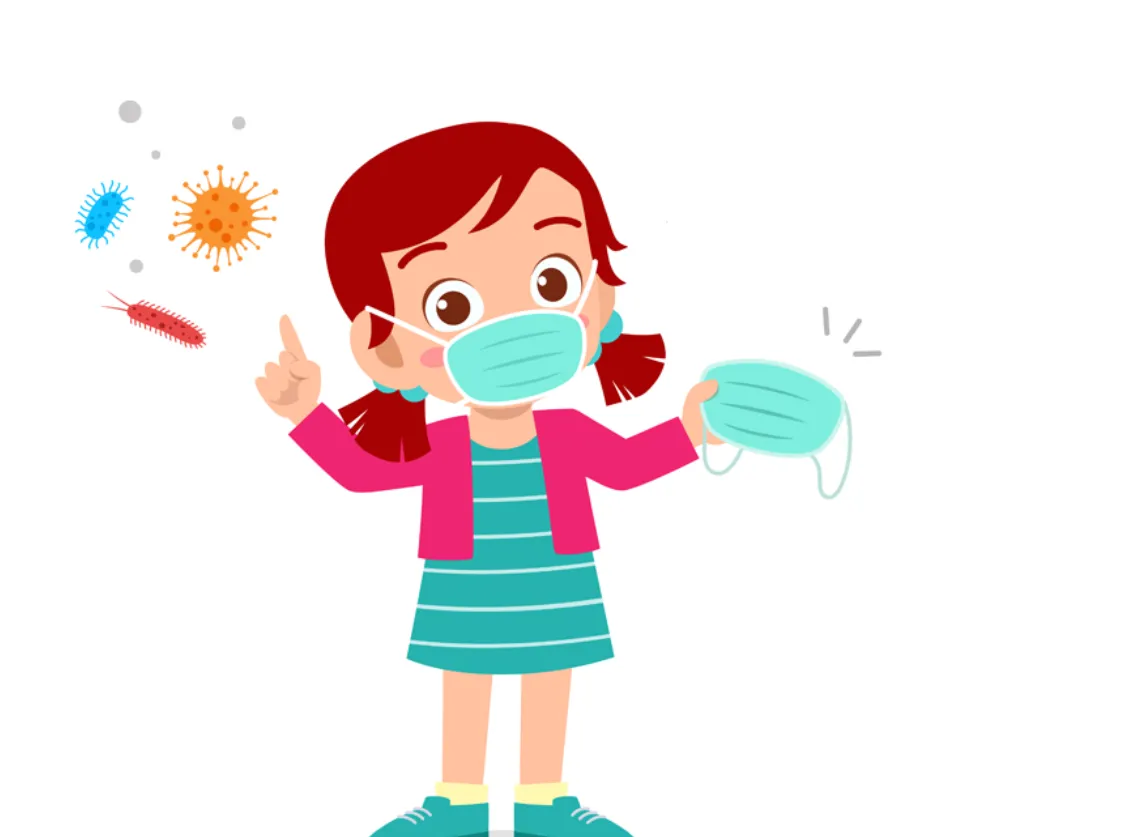
Sanitation and hygiene practices are essential pillars of public health, playing a critical role in preventing diseases and promoting overall well-being. In both developed and developing countries, maintaining proper hygiene and sanitation is one of the most effective ways to reduce the spread of infections, improve quality of life, and ensure sustainable development. This article explores the importance of sanitation and hygiene, key practices to follow, and how individuals and communities can adopt healthier habits.
What Are Sanitation and Hygiene?
Sanitation refers to systems and practices that ensure safe disposal of human waste, proper sewage management, clean drinking water, and environmental cleanliness. It includes infrastructure such as toilets, drainage systems, and waste management.
Hygiene, on the other hand, involves personal and community practices that maintain cleanliness and prevent disease. This includes handwashing, bathing, food safety, and maintaining clean surroundings.
Together, sanitation and hygiene form a powerful defense against illnesses such as diarrhea, cholera, typhoid, and respiratory infections.
Importance of Sanitation and Hygiene
Disease Prevention
Poor sanitation and hygiene are major causes of infectious diseases. Millions of people suffer from preventable illnesses due to contaminated water and inadequate sanitation. Simple practices like washing hands with soap can significantly reduce infection rates.
Improved Quality of Life
Clean environments promote physical comfort and mental well-being. Proper sanitation reduces unpleasant odors, pests, and pollution, creating healthier living conditions.
Child Health and Development
Children are especially vulnerable to poor hygiene conditions. Frequent infections can lead to malnutrition, stunted growth, and reduced cognitive development. Schools with proper sanitation facilities also encourage regular attendance, especially among girls.
Economic Benefits
Healthy individuals are more productive. Reduced healthcare costs and fewer sick days contribute to economic growth. Investing in sanitation infrastructure yields long-term financial benefits for communities.
Essential Sanitation Practices
Safe Disposal of Waste
Proper disposal of human and household waste is crucial. Open defecation contaminates soil and water sources, leading to disease outbreaks. Using hygienic toilets and ensuring proper sewage systems are key steps.
Clean Water Supply
Access to safe drinking water is fundamental. Water should be treated, filtered, or boiled before consumption to eliminate harmful microorganisms.
Waste Management
Garbage should be collected regularly and disposed of in designated areas. Recycling and composting can help reduce environmental impact.
Drainage Systems
Proper drainage prevents water stagnation, which can breed mosquitoes and other disease-carrying insects. Maintaining clean and functional drainage systems is essential for community health.
Essential Hygiene Practices
Handwashing
Handwashing with soap and water is one of the simplest yet most effective hygiene practices. It should be done before eating or preparing food, after using the toilet, after coughing or sneezing, and after handling waste or animals.
Personal Cleanliness
Regular bathing, brushing teeth, and wearing clean clothes help prevent infections and maintain dignity.
Food Hygiene
Food should be prepared and stored safely. Washing fruits and vegetables, cooking food thoroughly, and avoiding cross-contamination are important practices.
Respiratory Hygiene
Covering the mouth and nose while coughing or sneezing helps prevent the spread of airborne diseases.
Menstrual Hygiene
Proper menstrual hygiene management is essential for women’s health. Access to sanitary products and clean facilities ensures safety and dignity.
Sanitation and Hygiene in Communities
Public Awareness
Education plays a key role in promoting hygiene practices. Community programs, school education, and media campaigns can raise awareness about the importance of cleanliness.
Infrastructure Development
Governments and organizations must invest in building toilets, water systems, and waste management facilities. Rural areas often need special attention due to limited resources.
Behavioral Change
Providing facilities alone is not enough. People must adopt and maintain hygienic behaviors consistently. Encouraging habit formation is crucial.
Community Participation
Local communities should be involved in planning and maintaining sanitation systems. This ensures sustainability and accountability.
Challenges in Maintaining Sanitation and Hygiene
Despite its importance, several challenges hinder proper sanitation and hygiene practices, including lack of infrastructure in rural and low-income areas, limited access to clean water, poor awareness and education, cultural practices and taboos, and rapid urbanization leading to overcrowding and waste issues.
Addressing these challenges requires coordinated efforts from governments, NGOs, and individuals.
Role of Technology in Sanitation and Hygiene
Modern technology is playing an increasingly important role in improving sanitation. Water purification systems provide safe drinking water, smart waste management systems optimize garbage collection, eco-friendly toilets reduce water usage and environmental impact, and digital campaigns help spread awareness and education.
Tips for Improving Daily Hygiene
Simple daily habits can make a significant difference in overall health. Wash hands regularly with soap, keep living spaces clean and ventilated, use toilets properly and maintain cleanliness, drink safe water, dispose of waste responsibly, and maintain personal grooming.
Conclusion
Sanitation and hygiene practices are fundamental to a healthy and sustainable life. They not only prevent diseases but also enhance quality of life, support economic growth, and promote dignity and well-being. While progress has been made globally, much work remains to ensure everyone has access to proper sanitation facilities and hygiene education.
By adopting simple habits and supporting community initiatives, individuals can contribute to a cleaner, healthier world. Sanitation and hygiene are not just personal responsibilities but collective commitments that shape the future of public health.
Also Read: Work-Life Balance Strategies: Practical Ways to Thrive in Both Career and Personal Life

Hi, I am Admin of Punwaves.com, your ultimate destination for clever puns and laugh-out-loud jokes you Dive in for daily wordplay waves that keep your humor fresh and fun.