Infectious diseases have been a major threat to human health throughout history. From common colds to serious illnesses like tuberculosis, COVID-19, and malaria, these diseases can spread quickly and impact individuals, communities, and entire nations. The good news is that most infectious diseases are preventable with the right knowledge, habits, and public health measures. This article explores effective strategies for preventing infectious diseases and maintaining a healthier life.
What Are Infectious Diseases?
Infectious diseases are illnesses caused by harmful microorganisms such as bacteria, viruses, fungi, and parasites. These organisms can enter the body, multiply, and disrupt normal bodily functions. Infectious diseases can spread through:
- Direct contact (touching, kissing)
- Airborne transmission (coughing, sneezing)
- Contaminated food or water
- Insect bites (e.g., mosquitoes)
- Contact with infected surfaces
Understanding how diseases spread is the first step in preventing them.
Importance of Preventing Infectious Diseases
Preventing infectious diseases is crucial for several reasons:
- Protects individual health
- Reduces healthcare costs
- Prevents outbreaks and pandemics
- Improves quality of life
- Safeguards vulnerable populations (children, elderly, immunocompromised individuals)
Prevention is always better than cure, especially when dealing with diseases that can spread rapidly.
Top Strategies for Preventing Infectious Diseases
1. Practice Good Hygiene
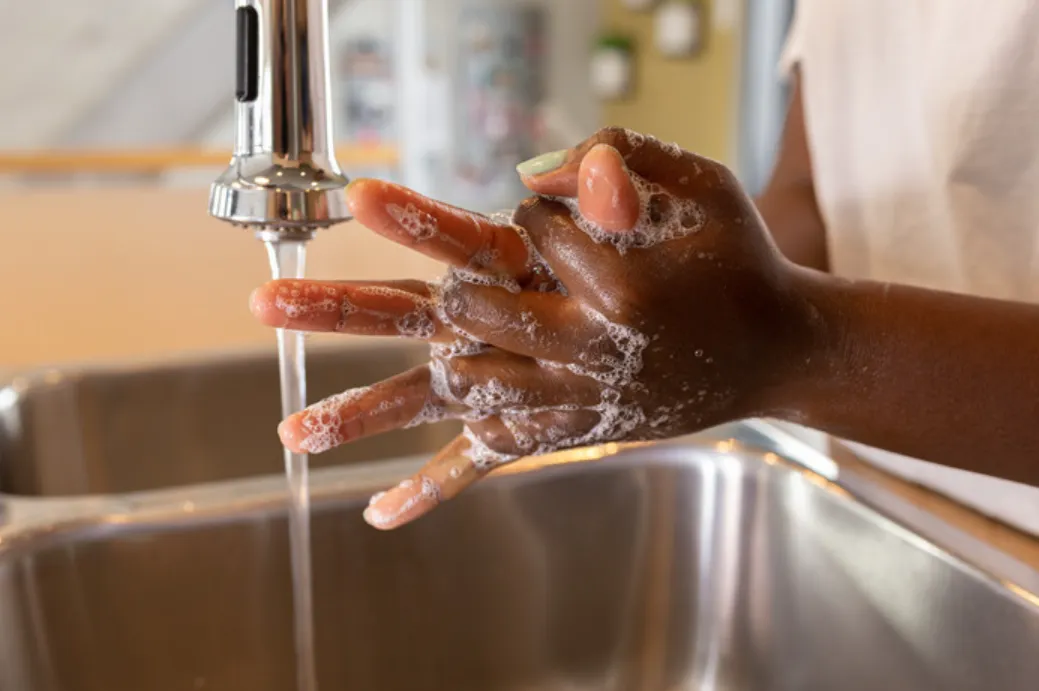
One of the simplest yet most effective ways to prevent infections is maintaining proper hygiene.
- Wash your hands regularly with soap and water for at least 20 seconds
- Use hand sanitizer when soap is unavailable
- Avoid touching your face, especially eyes, nose, and mouth
- Cover your mouth when coughing or sneezing
Hand hygiene alone can significantly reduce the spread of many diseases.
2. Get Vaccinated
Vaccination is one of the most powerful tools in disease prevention. Vaccines help your immune system recognize and fight harmful pathogens before they cause illness.
Common vaccines include:
- Measles, mumps, rubella (MMR)
- Influenza (flu)
- COVID-19
- Hepatitis B
- Polio
Ensure you and your family stay up to date with recommended vaccinations.
3. Maintain a Strong Immune System
A healthy immune system can fight infections more effectively. Boost your immunity by:
- Eating a balanced diet rich in fruits and vegetables
- Getting regular exercise
- Sleeping 7–8 hours daily
- Managing stress
- Staying hydrated
Healthy lifestyle choices act as a natural defense against infections.
4. Ensure Food and Water Safety
Contaminated food and water are major sources of infectious diseases such as cholera, typhoid, and food poisoning.
- Wash fruits and vegetables thoroughly
- Cook food properly
- Avoid unhygienic food sources
- Drink clean, filtered, or boiled water
- Store food safely
Practicing food safety can prevent many gastrointestinal infections.
5. Practice Safe Sex
Sexually transmitted infections (STIs) like HIV, syphilis, and gonorrhea can be prevented through safe practices.
- Use condoms consistently
- Get regular health checkups
- Limit the number of sexual partners
- Get vaccinated (e.g., HPV vaccine)
Awareness and responsible behavior are key to preventing STIs.
6. Maintain Clean Surroundings
A clean environment reduces the risk of infection.
- Dispose of waste properly
- Keep living areas clean and ventilated
- Avoid stagnant water to prevent mosquito breeding
- Disinfect frequently touched surfaces
Environmental cleanliness plays a major role in disease control.
7. Avoid Close Contact with Sick Individuals
If someone around you is ill:
- Maintain distance
- Avoid sharing personal items
- Wear a mask if necessary
- Encourage them to seek medical care
This helps prevent the spread of contagious diseases.
8. Use Protective Measures
In certain situations, additional protection is necessary:
- Wear masks during outbreaks
- Use insect repellents in mosquito-prone areas
- Wear protective clothing when needed
- Follow workplace safety guidelines
Protective measures act as barriers against infection.
9. Travel Smart
When traveling, especially internationally:
- Get required vaccinations
- Avoid unsafe food and water
- Carry basic medical supplies
- Be aware of local disease risks
Travel-related infections can be minimized with proper planning.
10. Early Detection and Treatment
Recognizing symptoms early can prevent the spread of disease.
Common symptoms include:
- Fever
- Cough
- Fatigue
- Diarrhea
- Skin rashes
Seek medical attention promptly if you notice unusual symptoms. Early treatment not only helps recovery but also protects others.
Role of Public Health Measures
Governments and health organizations play a critical role in preventing infectious diseases through:
- Vaccination programs
- Health education campaigns
- Disease surveillance
- Sanitation improvements
- Emergency response systems
Community cooperation is essential for these measures to succeed.
Special Considerations for High-Risk Groups
Certain groups are more vulnerable to infections:
- Children
- Elderly individuals
- Pregnant women
- People with chronic illnesses
Extra precautions should be taken to protect these populations, including regular medical checkups and vaccinations.
Impact of Technology in Disease Prevention
Modern technology has greatly improved disease prevention:
- Mobile apps for health tracking
- Telemedicine services
- Rapid diagnostic tools
- Data-driven outbreak monitoring
Technology helps detect, track, and manage infectious diseases more efficiently.
Common Myths About Infectious Diseases
There are many misconceptions that can hinder prevention efforts:
- Myth: Antibiotics cure all infections
Fact: Antibiotics only work against bacterial infections, not viruses. - Myth: Vaccines are unsafe
Fact: Vaccines are rigorously tested and proven safe. - Myth: Healthy people don’t get infections
Fact: Anyone can get infected, though healthy individuals may recover faster.
Understanding facts helps in making informed health decisions.
Conclusion
Preventing infectious diseases requires a combination of personal responsibility, community awareness, and strong public health systems. Simple actions like washing hands, getting vaccinated, maintaining hygiene, and practicing safe habits can make a significant difference.
By staying informed and adopting preventive measures, you not only protect yourself but also contribute to a healthier society. Remember, prevention is not just a choice—it’s a necessity for a safer and disease-free future.
Also Read: Work-Life Balance Strategies: Practical Ways to Thrive in Both Career and Personal Life

Hi, I am Admin of Punwaves.com, your ultimate destination for clever puns and laugh-out-loud jokes you Dive in for daily wordplay waves that keep your humor fresh and fun.