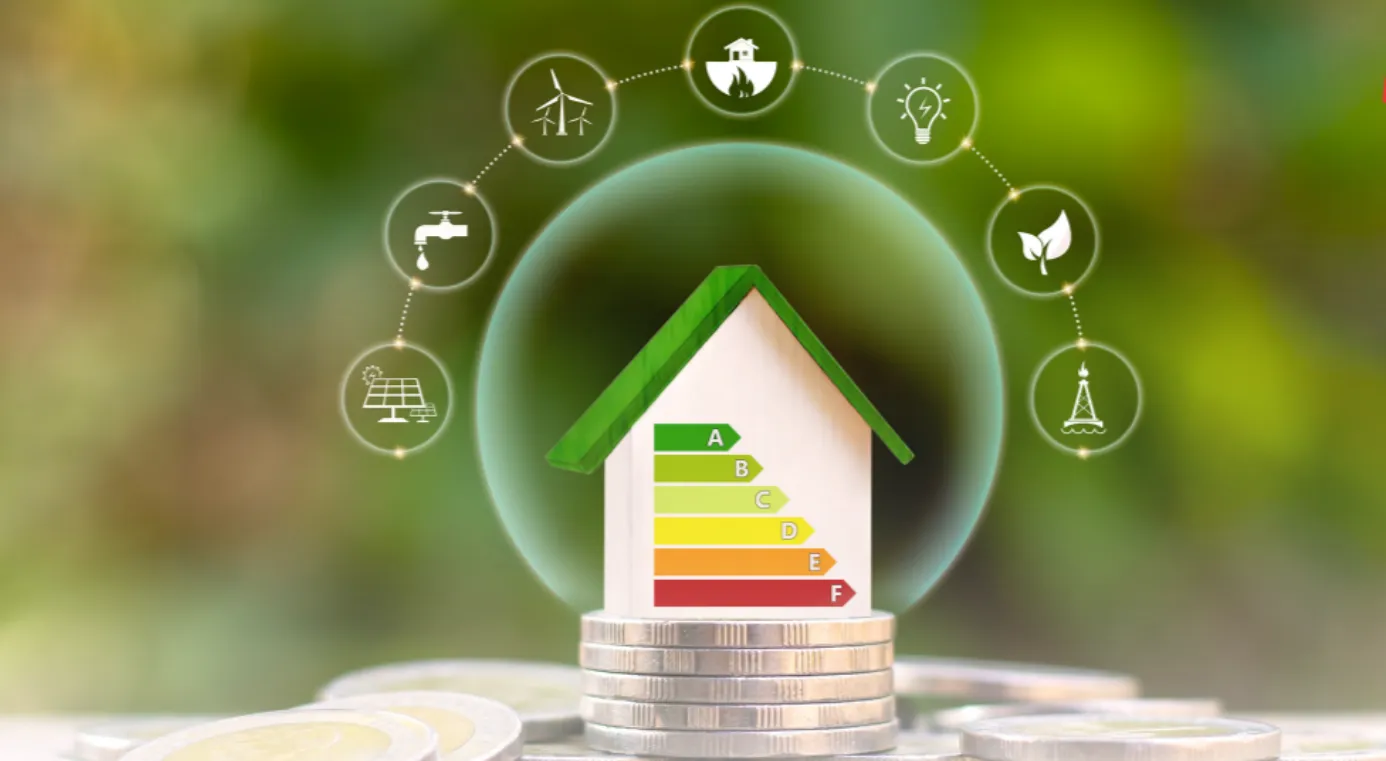
In today’s world, where energy costs are rising and environmental concerns are growing, energy-saving home improvements have become more important than ever. Whether you’re looking to reduce your utility bills, increase your home’s value, or minimize your carbon footprint, making your home more energy-efficient is a smart investment. This comprehensive guide explores the best energy-saving upgrades, practical tips, and long-term benefits of transforming your home into an energy-efficient space.
Why Energy Efficiency Matters
Energy efficiency isn’t just about saving money—it’s about creating a sustainable future. Homes account for a significant portion of global energy consumption, and inefficient systems can lead to wasted resources. By improving your home’s energy performance, you can:
- Lower monthly utility bills
- Increase property value
- Enhance indoor comfort
- Reduce greenhouse gas emissions
- Qualify for tax credits and rebates
Top Energy-Saving Home Improvements
1. Upgrade to Energy-Efficient Windows
Old or poorly insulated windows can cause significant heat loss in winter and heat gain in summer. Installing double or triple-pane windows with low-emissivity (Low-E) coatings helps maintain indoor temperature and reduces energy consumption.
Benefits:
- Improved insulation
- Reduced HVAC workload
- Enhanced noise reduction
2. Improve Home Insulation
Proper insulation is one of the most effective ways to improve energy efficiency. Areas like attics, walls, and basements are common sources of energy loss.
Best insulation materials:
- Fiberglass
- Spray foam
- Cellulose
Upgrading insulation can cut heating and cooling costs by up to 20%.
3. Install a Smart Thermostat
Smart thermostats allow you to control your home’s temperature remotely and optimize energy usage based on your schedule. These devices learn your preferences and adjust settings automatically.
Popular features:
- Wi-Fi connectivity
- Energy usage reports
- Automated scheduling
4. Switch to LED Lighting
Lighting accounts for a noticeable portion of energy use. Replacing traditional incandescent bulbs with LED lights can reduce energy consumption by up to 75%.
Advantages of LEDs:
- Longer lifespan
- Lower heat output
- Cost-effective in the long run
5. Upgrade HVAC Systems
Heating, ventilation, and air conditioning (HVAC) systems are major energy consumers. Upgrading to energy-efficient models or maintaining existing systems can significantly reduce energy waste.
Tips:
- Choose ENERGY STAR-certified units
- Replace air filters regularly
- Schedule annual maintenance
6. Install Solar Panels
Solar energy is one of the most powerful ways to make your home energy-efficient. While the initial investment can be high, the long-term savings and environmental benefits are substantial.
Key benefits:
- Reduced electricity bills
- Renewable energy source
- Increased property value
7. Seal Air Leaks
Air leaks around doors, windows, and ducts can lead to significant energy loss. Sealing these gaps with weatherstripping or caulking helps maintain indoor temperature.
Common leak areas:
- Window frames
- Door edges
- Electrical outlets
8. Use Energy-Efficient Appliances
Modern appliances are designed to use less energy while delivering better performance. Look for ENERGY STAR-rated refrigerators, washing machines, and dishwashers.
Benefits:
- Lower electricity usage
- Improved functionality
- Reduced water consumption
9. Install Energy-Efficient Doors
Exterior doors play a crucial role in insulation. Upgrading to insulated or steel doors can prevent heat loss and improve energy efficiency.
10. Add Reflective Roofing or Cool Roofs
Cool roofs reflect more sunlight and absorb less heat than traditional roofs. This reduces the need for air conditioning, especially in hot climates.
Cost vs. Savings: Is It Worth It?
Many homeowners hesitate due to upfront costs, but energy-saving improvements often pay for themselves over time. For example:
- LED lighting pays back within months
- Insulation upgrades typically recover costs within a few years
- Solar panels can generate savings for decades
Additionally, many governments offer incentives, rebates, and tax credits to encourage energy-efficient upgrades.
Simple Daily Habits to Save Energy
Beyond major upgrades, small changes in daily habits can also make a big difference:
- Turn off lights when not in use
- Unplug electronics to avoid phantom energy use
- Use natural light whenever possible
- Wash clothes in cold water
- Air-dry clothes instead of using a dryer
Environmental Impact of Energy Efficiency
Energy-saving home improvements contribute to a healthier planet. Reduced energy consumption means fewer fossil fuels burned, leading to:
- Lower carbon emissions
- Reduced air pollution
- Conservation of natural resources
By making your home energy-efficient, you’re playing a role in combating climate change.
Increasing Home Value with Energy Efficiency
Energy-efficient homes are highly attractive to buyers. Features like solar panels, modern insulation, and smart home technology can significantly boost resale value. Buyers are increasingly prioritizing sustainability and lower utility costs.
Choosing the Right Improvements
Not all upgrades are necessary for every home. Consider the following before making changes:
- Your climate and location
- Current energy usage
- Budget and long-term goals
- Age and condition of your home
Conducting a home energy audit can help identify the most effective improvements.
Final Thoughts
Energy-saving home improvements are a smart, long-term investment that benefits both homeowners and the environment. From simple upgrades like LED lighting to larger projects like solar panel installation, there are countless ways to reduce energy consumption and save money.
By taking a strategic approach and prioritizing the most impactful upgrades, you can transform your home into an energy-efficient haven. Start small, plan wisely, and enjoy the lasting rewards of a greener, more cost-effective lifestyle.
Also Read: Work-Life Balance Strategies: Practical Ways to Thrive in Both Career and Personal Life

Hi, I am Admin of Punwaves.com, your ultimate destination for clever puns and laugh-out-loud jokes you Dive in for daily wordplay waves that keep your humor fresh and fun.