We wear glasses to see the world properly. Many people wear their favourite glasses as their first thing in the morning. They create a better experience when reading computer screens, driving, and using small text. But what happens if you go into a lab, a workshop, or an active building site?
Many believe that their standard eyeglasses are adequate to keep them safe. This is the biggest mistake that can lead to permanent optical injuries. Regular eyewear is designed for fashion and basic vision correction. It completely lacks the structural integrity needed to survive an industrial impact.
Understanding the structural differences between these two types of eyewear is a critical safety choice. Let us break down the engineering behind true eye protection.
Understanding Safety Eye Glasses
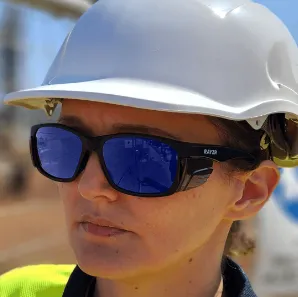
Certified Safety Eye Glasses are engineered to survive brutal, unpredictable work environments. They are not simple fashion accessories. Every component is designed for high physical impact. They protect your delicate eyes from harmful particles.
These protective frames are subject to rigorous independent testing before arriving at a job site. They are designed to protect against flying bits of metal and dangerous splashes of chemical substances travelling at high velocities. They should also remain secure on your face during unexpected physical impacts.
Modern protective eyewear also features advanced vision correction technology. You no longer have to wear bulky goggles over your delicate everyday reading frames. Today, you can easily source custom Progressive Safety Glasses. These specialized lenses provide seamless vision zones for reading close up, viewing mid-range computer screens, and seeing long distances clearly, all while delivering top-tier industrial impact protection.
What Are Regular Glasses?
Standard eyewear is designed primarily for fashion, comfort, and visual correction. Frame designers choose materials that look lightweight and stylish in the shop. They want the frames to feel invisible during a normal office day.
The lenses of regular glasses are typically thin and very much stylized. They are cut to fit superficial frame grooves that focus on looks more than strength. While they work beautifully for reading a book, they are inherently fragile under physical pressure.
A stray pebble or a snapped tool part for a pair of regular fashion glasses can be devastating. The frame may be easy to break in half, and the lenses can shatter into sharp pieces. Regular glasses can actually exacerbate the injury by splattering glass into the eye socket instead of protecting the face.
Safety Eye Glasses vs Regular Glasses: Major Difference
The best way to really understand industrial eye protection is to pay close attention to the manufacturing. The differences are not just skin-deep. They involve completely different material engineering choices.
Impact Resistance
This is the main line of defense. Safety frames and lenses must withstand the impact of a high-speed steel ball shot directly at the hardware. Regular fashion glasses face no such ballistic requirements and will fail instantly under the exact same test conditions.
Lens Materials
Regular lenses often utilize basic CR-39 plastic or delicate glass. Safety lenses are made from optical-grade polycarbonate or advanced Trivex resins. These specialized industrial materials are highly flexible. They dent or bend to absorb intense kinetic energy rather than cracking under pressure.
Frame Construction
High-tensile stainless steel or TR90 nylon are two sturdy, non-shattering materials used in the construction of safety frames. They have lens pockets with deep grooves. These specialized grooves prevent the lenses from popping backwards toward your eyes during a severe front-on collision.
Side Protection
Hazards rarely attack from a perfectly straight angle. With standard glasses on, your eyes are totally exposed to falling dust or sparks from the top, bottom, and sides. Safety eye glasses features a wrap-around frame design or side shields permanently designed to close these hazardous perimeter gaps.
Safety Certifications
Look at the temples of your glasses. True safety gear features a permanent “Z87” stamp deeply etched into the material. This marking ensures that the equipment meets the American National Standards Institute (ANSI) Z87.1 standard. Regular fashion frames will never carry this industrial stamp.
| Structural Feature | Regular Fashion Glasses | Certified Safety Eyewear |
| Primary Material | Standard plastic, acetate, or thin wire | High-impact polycarbonate and TR90 nylon |
| Lens Behavior | Shatters into dangerous, sharp fragments | Dents or bends to safely absorb kinetic energy |
| Perimeter Defense | Open sides leave eyes exposed to hazards | Integrated side shields block lateral debris |
| Legal Status | Non-compliant for industrial work sites | ANSI Z87.1 approved for industrial use |
How to Choose the Right Safety Eye Glasses
The kind of risks you face at work every day will determine which protective eyewear is best for you. Avoid making the mistake of buying a single “all-purpose” type for every activity.
For those who live between bright outdoor staging and dimly lit warehouses, consider adaptive photochromic lenses. High-contrast polarized sun lenses will keep the sun from blinding your eyes when you are using them during heavy outdoor construction work in the day.
Secondly, pay a lot of attention to a comfortable fit. You’ll be tempted to take off your safety glasses on the line if they keep slipping down your nose or down your face. Make use of advanced sizing tools, such as virtual try-on software for mobile devices. You can find a frame that fits your face.
Last but not least, if you need vision correction, don’t accept low-cost line bifocals. Select premium Progressive Safety Glasses from reliable manufacturers of industrial eyewear. In this manner, you may see clearly and naturally at any distance without sacrificing your safety.
Conclusion
Replacing standard fashion glasses with proper protective eyewear is a bad idea. Your vision is too valuable to be placed in a regular pair of easily damaged acetate frames. You can upgrade to certified Safety Eye Glasses and keep your eyes fully protected from unforeseen hazards in the field, flying debris and strong chemical splashes.
Look for good quality, ANSI (National Safety) approved equipment that fits comfortably and is suitable for your threat level at your workplace. Today’s protective eyewear combines powerful vision correction with robust durability. Placing the appropriate digital safety infrastructure now will safeguard your vision and provide a lifetime of job satisfaction.

Hi, I am Admin of Punwaves.com, your ultimate destination for clever puns and laugh-out-loud jokes you Dive in for daily wordplay waves that keep your humor fresh and fun.