Fashion is more than fabric and design—it is a powerful psychological tool that shapes identity, influences perception, and drives consumer behavior. Behind every trending outfit, viral campaign, or luxury brand lies a carefully crafted marketing strategy rooted in human psychology. Understanding the psychology of fashion marketing reveals why people buy certain clothes, how brands build emotional connections, and what drives loyalty in an ever-changing industry.
Understanding Consumer Behavior in Fashion
At the core of fashion marketing lies consumer behavior—the study of how individuals make purchasing decisions. Clothing is deeply personal; it reflects personality, social status, culture, and even mood. Marketers tap into these emotional and psychological triggers to influence buying decisions.
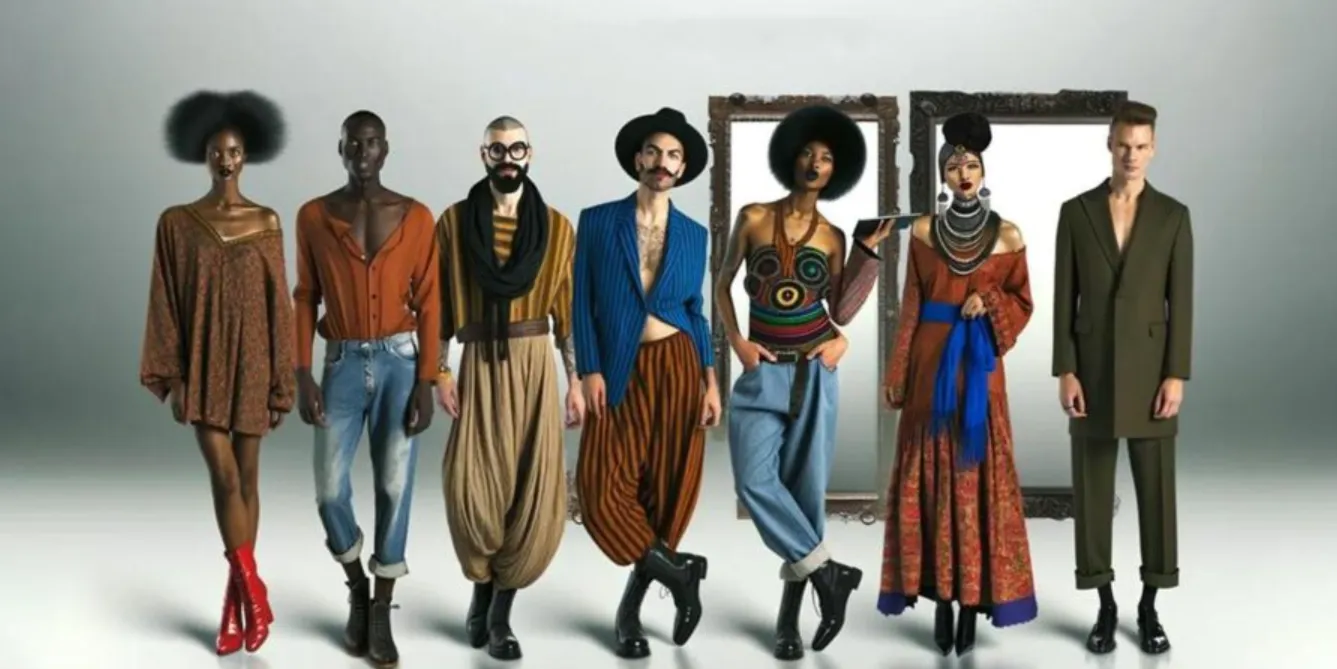
One of the most significant psychological drivers in fashion is self-expression. People choose clothing that aligns with how they see themselves or how they want others to perceive them. For example, a minimalist wardrobe may signal sophistication, while bold streetwear might represent creativity and rebellion. Fashion brands position their products in ways that allow consumers to “tell their story” through clothing.
Another key factor is social identity theory. Consumers often buy fashion items to feel a sense of belonging to a group—whether it’s luxury enthusiasts, fitness communities, or eco-conscious shoppers. Brands leverage this by creating strong identities that customers can connect with emotionally.
The Power of Emotional Branding
Emotions play a crucial role in fashion marketing. Successful brands don’t just sell clothes—they sell feelings, aspirations, and lifestyles. Emotional branding helps companies build long-term relationships with their audience.
For instance, luxury brands like Gucci or Chanel evoke feelings of prestige and exclusivity. On the other hand, brands like Nike and Adidas focus on empowerment, motivation, and performance. These emotional associations influence purchasing decisions far more than product features alone.
Storytelling is a powerful psychological tool in this context. Fashion campaigns often feature narratives that resonate with the audience—stories of confidence, transformation, or cultural pride. When consumers emotionally connect with a story, they are more likely to remember the brand and make a purchase.
The Role of Social Proof and Influencers
In today’s digital age, social proof has become one of the most influential psychological principles in fashion marketing. People tend to follow the actions of others, especially when making uncertain decisions. This is why reviews, testimonials, and influencer endorsements are so effective.
Influencer marketing, in particular, has transformed the fashion industry. Consumers trust influencers because they perceive them as relatable and authentic. When a popular influencer wears a brand, it creates a sense of validation and desirability.
Additionally, the concept of bandwagon effect plays a role—when people see others adopting a trend, they are more likely to follow. This is why viral fashion trends spread rapidly on platforms like Instagram and TikTok.
Scarcity and Urgency: Driving Immediate Action
Scarcity is a powerful psychological trigger used in fashion marketing. Limited-edition collections, exclusive drops, and time-sensitive sales create a sense of urgency among consumers.
When people believe a product is scarce, its perceived value increases. This is known as the scarcity principle. Fashion brands like Supreme have mastered this strategy by releasing limited quantities of products, leading to long queues and high resale value.
Urgency tactics such as “only a few items left” or “sale ends tonight” push consumers to make quick decisions, often bypassing rational thinking. This strategy taps into the fear of missing out (FOMO), which is a strong motivator in modern consumer culture.
The Psychology of Pricing in Fashion
Pricing is not just about numbers—it’s a psychological tool. Fashion brands use pricing strategies to influence perception and behavior.
For example, premium pricing is often used by luxury brands to signal quality and exclusivity. High prices create the perception that a product is superior, even before the customer evaluates it.
On the other hand, charm pricing (e.g., $49.99 instead of $50) makes products appear more affordable. This subtle psychological trick can significantly impact purchasing decisions.
Discounts and promotions also play a role. Limited-time offers and flash sales create excitement and encourage impulse buying. However, overuse of discounts can reduce brand value, which is why many high-end brands avoid frequent sales.
Color Psychology in Fashion Marketing
Color is one of the most influential elements in fashion marketing. Different colors evoke different emotions and perceptions, which brands use strategically in their designs and campaigns.
- Black symbolizes elegance, power, and sophistication.
- Red evokes passion, energy, and urgency.
- Blue represents trust, calmness, and reliability.
- White conveys purity, simplicity, and minimalism.
Fashion brands carefully select color palettes to align with their identity and target audience. For example, luxury brands often use black and gold to convey exclusivity, while sustainable brands may use earthy tones to reflect eco-conscious values.
Personalization and Consumer Experience
Modern consumers expect personalized experiences, and fashion brands are leveraging psychology to meet these expectations. Personalization creates a sense of importance and connection, making customers more likely to engage with a brand.
AI-driven recommendations, customized emails, and tailored shopping experiences are becoming standard in the fashion industry. When consumers feel understood, they are more likely to develop brand loyalty.
Additionally, the concept of cognitive ease plays a role. Simple, intuitive shopping experiences reduce mental effort, making customers more likely to complete purchases. This is why user-friendly websites and seamless mobile apps are essential in fashion marketing.
The Influence of Culture and Trends
Fashion is deeply influenced by cultural and societal factors. Marketers must understand cultural psychology to create campaigns that resonate with their audience.
Trends often emerge from social movements, celebrity influence, or global events. For example, the rise of sustainable fashion reflects growing environmental awareness. Brands that align with these values can build stronger connections with consumers.
Cultural relevance also enhances brand perception. Inclusive marketing, diverse representation, and culturally sensitive campaigns help brands appeal to a broader audience while building trust.
Building Brand Loyalty Through Psychology
Brand loyalty in fashion is driven by emotional connection, trust, and consistent experience. Loyal customers are not just repeat buyers—they become brand advocates.
Psychological principles such as reciprocity (rewarding customers with loyalty programs or exclusive offers) and consistency (delivering a reliable brand experience) help build long-term relationships.
Community building is another effective strategy. Brands that create a sense of belonging—through social media engagement, events, or exclusive memberships—encourage customers to stay connected.
Conclusion
The psychology of fashion marketing is a complex yet fascinating field that blends creativity with human behavior. From emotional branding and social proof to pricing strategies and personalization, every aspect of fashion marketing is designed to influence consumer decisions.
As the fashion industry continues to evolve, understanding psychological principles will remain essential for brands looking to stand out in a competitive market. By connecting with consumers on a deeper emotional level, fashion marketers can not only drive sales but also build lasting relationships and cultural impact.
Ultimately, fashion is not just about what we wear—it’s about how we feel, how we express ourselves, and how we connect with the world around us.
Also Read: Future of Entertainment with AI and VR: A New Era of Immersive Experiences

Hi, I am Admin of Punwaves.com, your ultimate destination for clever puns and laugh-out-loud jokes you Dive in for daily wordplay waves that keep your humor fresh and fun.