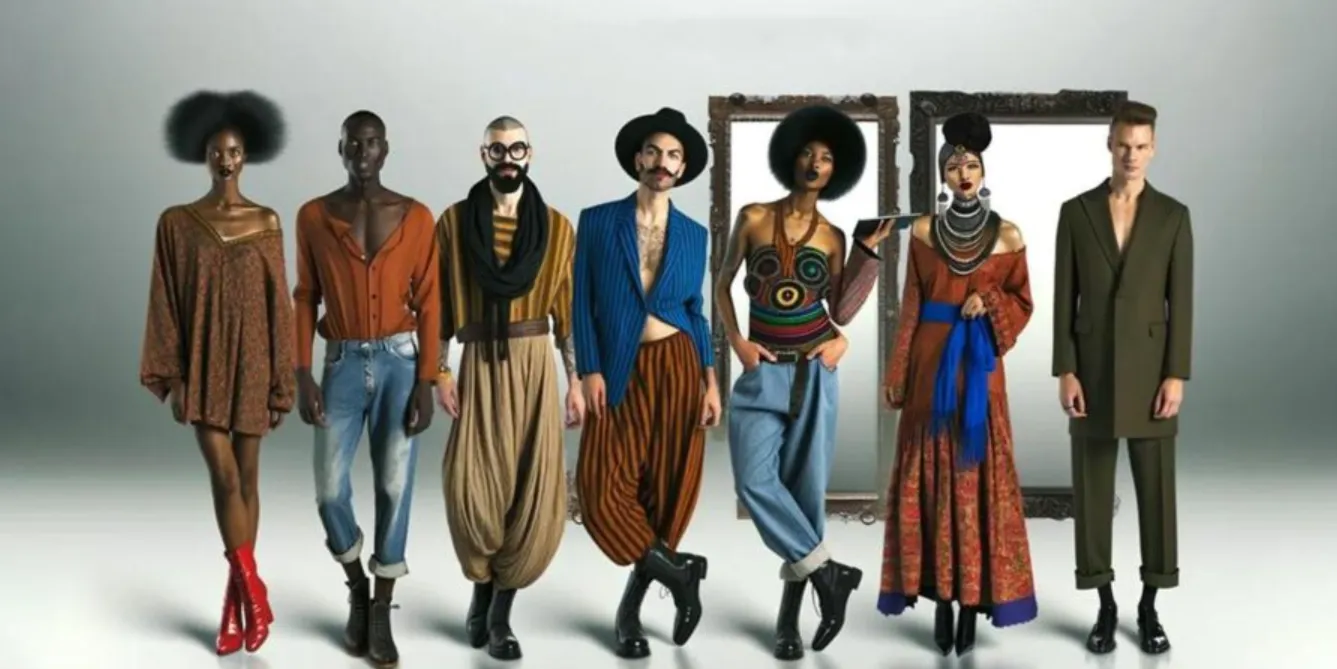
Fashion has never been just about aesthetics. Beyond fabrics, colors, and trends, clothing has long served as a powerful political language—one that communicates identity, resistance, solidarity, and power without uttering a single word. In today’s interconnected world, fashion as a political statement has become more visible and influential than ever, shaping conversations around culture, equality, and global movements.
The Historical Roots of Political Fashion
The connection between fashion and politics is deeply rooted in history. Clothing has been used to express allegiance, rebellion, and ideology for centuries. During the French Revolution, for example, the working-class revolutionaries known as the sans-culottes rejected aristocratic knee-breeches in favor of long trousers, symbolizing equality and defiance against elitism.
Similarly, in the 20th century, fashion became a tool for activism. The suffragette movement used white dresses to represent purity and unity in their fight for women’s voting rights. In the United States, the Black Panther Party adopted black leather jackets and berets as symbols of strength, resistance, and Black empowerment.
These examples demonstrate that fashion is not superficial—it is deeply intertwined with social and political transformation.
Fashion and Identity Politics
In modern society, fashion plays a central role in identity politics. What people wear often reflects their beliefs, cultural background, and stance on social issues. Clothing can signal gender identity, religious affiliation, or political ideology.
For instance, the hijab has become a global symbol of both faith and political debate. While some view it as a representation of religious devotion, others see it as a statement about autonomy and resistance against cultural assimilation. Similarly, LGBTQ+ communities have used fashion—such as rainbow flags, bold colors, and gender-fluid styles—to express pride and challenge traditional norms.
Fashion allows individuals to reclaim narratives about who they are. It becomes a visible declaration of identity in spaces where voices may otherwise be marginalized.
Protest Through Clothing
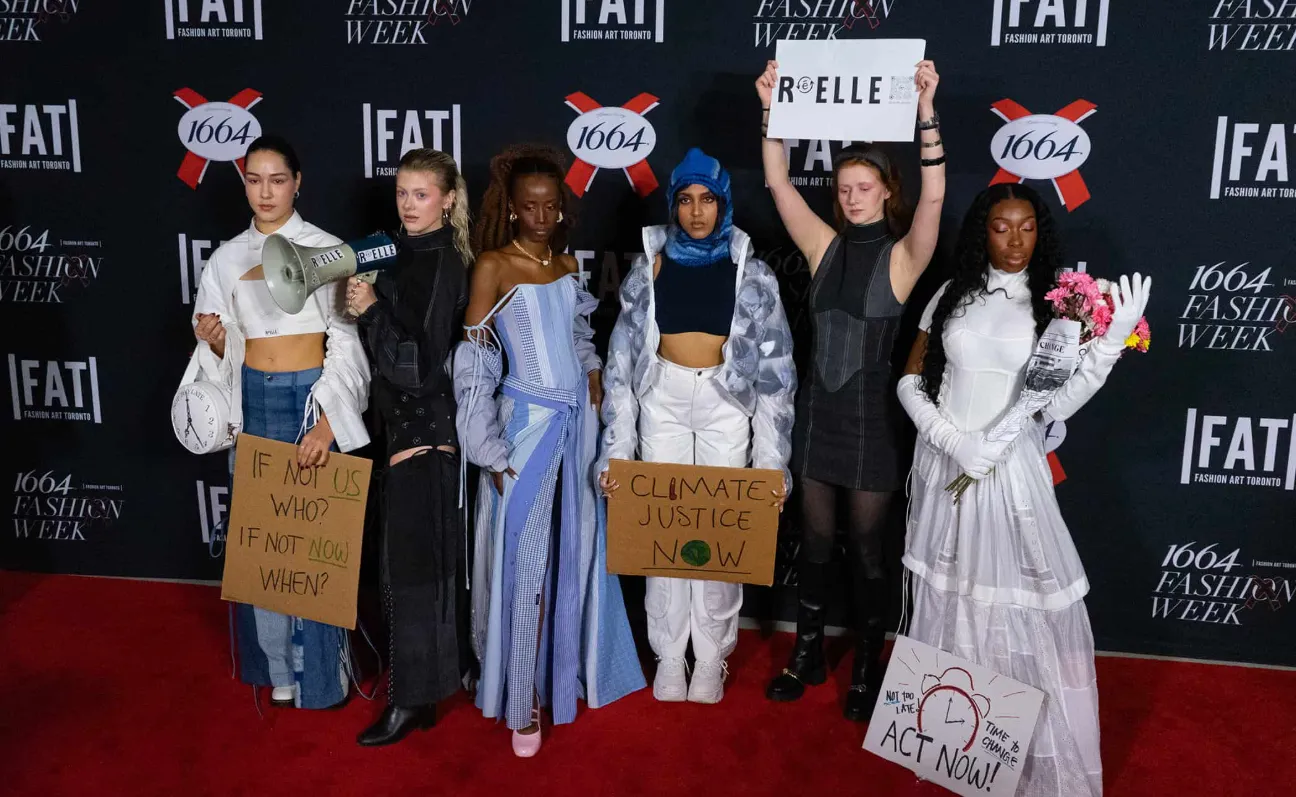
One of the most powerful ways fashion intersects with politics is through protest. Clothing has become a wearable form of activism, enabling individuals to participate in movements even in subtle ways.
A notable example is the pink “pussyhat” worn during the Women’s March in 2017. This simple knitted accessory became a global symbol of resistance against sexism and political oppression. Similarly, slogan T-shirts featuring messages like “Black Lives Matter” or “Climate Justice Now” have transformed everyday fashion into tools for awareness and advocacy.
Designers and brands are also increasingly participating in political discourse. Some fashion houses use runway shows to highlight issues such as climate change, immigration, and labor rights. By doing so, they amplify important messages to a global audience.
Power Dressing and Political Authority
Fashion is not only used to challenge power—it is also used to project it. Political leaders have long understood the importance of appearance in shaping public perception.
“Power dressing” became especially prominent in the 1980s, when women in corporate and political spaces adopted structured suits to convey authority in male-dominated environments. Today, figures like former U.S. First Lady Michelle Obama and Vice President Kamala Harris use fashion strategically to communicate confidence, cultural pride, and relatability.
Even subtle choices—such as color, tailoring, or accessories—can carry political meaning. For example, wearing white in political settings has been used to honor the legacy of women’s rights movements.
Cultural Appropriation vs. Cultural Appreciation
As fashion becomes more globalized, it also raises important political questions about cultural appropriation. When elements of a marginalized culture are adopted by dominant groups without understanding or respect, it can lead to controversy and exploitation.
For instance, traditional garments, hairstyles, or symbols may be used as trends without acknowledging their cultural significance. This has sparked debates about ownership, representation, and respect in the fashion industry.
On the other hand, cultural appreciation—when done thoughtfully—can promote diversity and cross-cultural understanding. The distinction between appropriation and appreciation remains a critical political issue within fashion.
Sustainability and Ethical Fashion
In recent years, sustainability has become a major political topic within the fashion industry. Fast fashion, characterized by cheap, mass-produced clothing, has been criticized for its environmental impact and unethical labor practices.
Consumers are increasingly using their purchasing choices as political statements. Supporting ethical brands, choosing sustainable materials, and advocating for fair wages are all ways individuals can align their fashion habits with their values.
Movements like “slow fashion” encourage mindful consumption, emphasizing quality over quantity. This shift reflects a growing awareness that fashion is not just personal—it has global consequences.
Social Media and the Amplification of Fashion Politics
The rise of social media has significantly amplified the role of fashion in political discourse. Platforms like Instagram, TikTok, and Twitter allow individuals to share their style and messages with a global audience instantly.
Hashtags, viral trends, and influencer activism have turned fashion into a powerful communication tool. A single outfit can spark conversations, inspire movements, or even influence public opinion.
However, this visibility also comes with challenges. Performative activism—where individuals or brands appear to support causes without meaningful action—has become a concern. Authenticity is now more important than ever in politically driven fashion.
The Future of Fashion as a Political Tool
As society continues to evolve, the relationship between fashion and politics will only grow stronger. Issues such as gender equality, racial justice, climate change, and digital identity will continue to shape how people dress and express themselves.
Technology is also playing a role in this transformation. Digital fashion, virtual clothing, and AI-driven design are creating new spaces for political expression. In virtual environments, individuals can experiment with identity and activism in ways that were previously unimaginable.
Conclusion
Fashion as a political statement is far more than a passing trend—it is a powerful form of communication that reflects the values, struggles, and aspirations of society. From historical revolutions to modern social movements, clothing has served as a visual language of resistance, identity, and power.
In a world where voices can be silenced, fashion remains a visible and accessible way to speak out. Every choice—from what we wear to how we wear it—has the potential to make a statement.
Also Read: Future of Entertainment with AI and VR: A New Era of Immersive Experiences

Hi, I am Admin of Punwaves.com, your ultimate destination for clever puns and laugh-out-loud jokes you Dive in for daily wordplay waves that keep your humor fresh and fun.