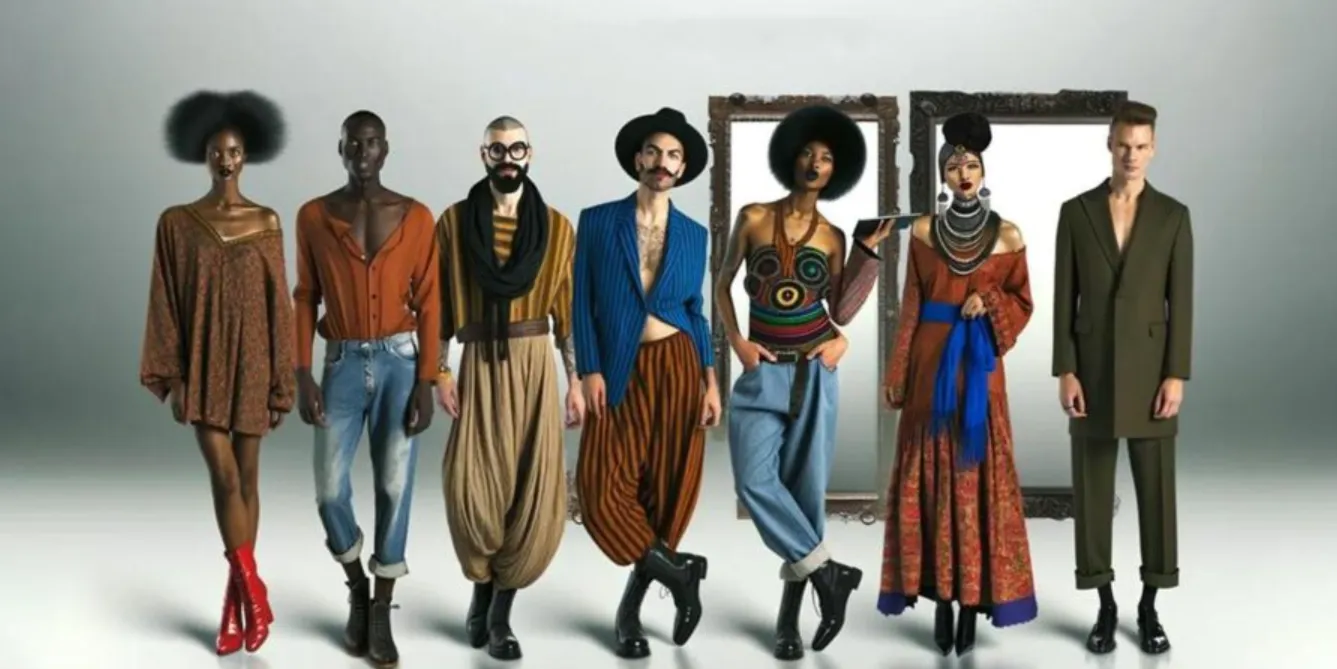
The fashion industry is undergoing a transformative revolution, driven by rapid advancements in textile innovation. From smart fabrics to eco-friendly materials, modern fashion is no longer just about aesthetics—it is about performance, sustainability, and technological integration. Textile innovation in modern fashion is redefining how clothes are designed, produced, and experienced, making it one of the most exciting frontiers in the global apparel industry.
The Rise of Textile Innovation in Fashion
Traditionally, textiles were limited to natural fibers like cotton, wool, and silk, or early synthetic materials such as polyester and nylon. However, modern fashion has moved far beyond these basics. Today, textile innovation combines science, technology, and creativity to develop fabrics that are functional, durable, and environmentally responsible.
Designers and manufacturers are now investing heavily in research and development to create textiles that meet the evolving demands of consumers. These demands include comfort, sustainability, adaptability, and even digital connectivity. As a result, textile innovation has become a key driver of competitive advantage in the fashion industry.
Smart Textiles: Where Fashion Meets Technology
One of the most groundbreaking developments in textile innovation is the emergence of smart textiles. These are fabrics embedded with technology that allows them to interact with the environment or the wearer. Smart textiles can monitor health metrics, regulate body temperature, and even change color based on external stimuli.
For example, wearable technology integrated into clothing can track heart rate, physical activity, and sleep patterns. Athletes benefit from performance-enhancing garments, while healthcare patients can use smart clothing for continuous monitoring. This fusion of fashion and technology is opening new possibilities for both functionality and personalization.
Moreover, responsive fabrics that adjust to temperature changes are becoming increasingly popular. These textiles help maintain comfort in varying climates, making them ideal for outdoor wear and travel fashion.
Sustainable Textiles: A Greener Future
Sustainability is at the core of modern textile innovation. With growing concerns about environmental impact, the fashion industry is shifting toward eco-friendly materials and production processes. Traditional textile manufacturing is known for its heavy use of water, chemicals, and energy. Innovative solutions are now addressing these challenges.
Organic cotton, bamboo fiber, and hemp are gaining popularity as sustainable alternatives to conventional materials. In addition, recycled fabrics made from plastic bottles, fishing nets, and textile waste are helping reduce landfill pollution. Brands are also exploring biodegradable textiles that naturally decompose without harming the environment.
Another significant innovation is the development of lab-grown fabrics. Materials like bio-fabricated leather and spider silk are created using biotechnology, eliminating the need for animal products while reducing environmental impact. These advancements demonstrate how textile innovation is aligning fashion with global sustainability goals.
3D Knitting and Digital Fabrication
Modern fashion is also embracing advanced manufacturing techniques such as 3D knitting and digital fabrication. These technologies allow designers to create garments with minimal waste and high precision. Unlike traditional cut-and-sew methods, 3D knitting produces entire garments in one piece, reducing material waste and production time.
Digital printing is another innovation transforming textile design. It enables intricate patterns and vibrant colors without the need for excessive water or chemicals. This method not only enhances creativity but also supports sustainable production practices.
Additionally, on-demand manufacturing is becoming more feasible благодаря textile innovation. Brands can produce garments only when needed, reducing overproduction and inventory waste. This shift is particularly important in addressing the environmental challenges associated with fast fashion.
Performance Fabrics in Everyday Fashion
Performance fabrics, once limited to sportswear, are now a staple in everyday fashion. These textiles are designed to enhance comfort, durability, and functionality. Features such as moisture-wicking, UV protection, anti-odor properties, and stretchability are increasingly integrated into casual and formal wear.
For instance, wrinkle-resistant and stain-repellent fabrics are ideal for busy lifestyles, while breathable materials improve comfort in warm climates. The blending of performance features with stylish design reflects the evolving expectations of modern consumers.
This trend also highlights how textile innovation is blurring the lines between different fashion categories. Athleisure, a popular fashion movement, is a direct result of combining performance textiles with everyday clothing.
The Role of Nanotechnology
Nanotechnology is playing a crucial role in advancing textile innovation. By manipulating materials at the molecular level, scientists can create fabrics with enhanced properties. Nanotechnology enables textiles to become water-resistant, antimicrobial, and even self-cleaning.
For example, nano-coatings can make fabrics resistant to stains and liquids without affecting their texture or breathability. Antibacterial textiles are particularly useful in healthcare and activewear, providing hygiene and odor control.
These innovations not only improve the functionality of garments but also extend their lifespan, contributing to sustainability by reducing the need for frequent replacement.
Challenges in Textile Innovation
Despite its many benefits, textile innovation faces several challenges. High research and development costs can limit accessibility for smaller brands. Additionally, scaling innovative materials for mass production remains a complex process.
There are also concerns about the environmental impact of certain synthetic innovations. While some advanced textiles offer impressive functionality, they may not always be biodegradable or recyclable. Balancing performance with sustainability is an ongoing challenge for the industry.
Consumer awareness is another factor. While many people are interested in sustainable and innovative fashion, there is still a need for education about the benefits and proper care of these textiles.
The Future of Textile Innovation in Fashion
The future of textile innovation in modern fashion looks incredibly promising. As technology continues to evolve, we can expect even more advanced fabrics that combine style, comfort, and sustainability. Innovations such as AI-driven textile design, biodegradable smart fabrics, and energy-generating clothing are already in development.
Circular fashion, which focuses on reusing and recycling materials, will also play a significant role. Textile innovation will be essential in creating materials that can be easily repurposed without compromising quality.
Furthermore, collaboration between fashion designers, scientists, and engineers will accelerate the pace of innovation. This interdisciplinary approach ensures that new textiles meet both aesthetic and functional requirements.
Conclusion
Textile innovation in modern fashion is reshaping the industry in profound ways. From smart textiles and sustainable materials to advanced manufacturing techniques and nanotechnology, innovation is driving a new era of fashion that prioritizes functionality, sustainability, and creativity.
As consumers become more conscious of their choices, the demand for innovative textiles will continue to grow. Brands that embrace these advancements will not only stay competitive but also contribute to a more sustainable and technologically advanced future.
In a world where fashion meets science, textile innovation stands at the forefront—transforming not just what we wear, but how we live.
Also Read: Future of Entertainment with AI and VR: A New Era of Immersive Experiences

Hi, I am Admin of Punwaves.com, your ultimate destination for clever puns and laugh-out-loud jokes you Dive in for daily wordplay waves that keep your humor fresh and fun.