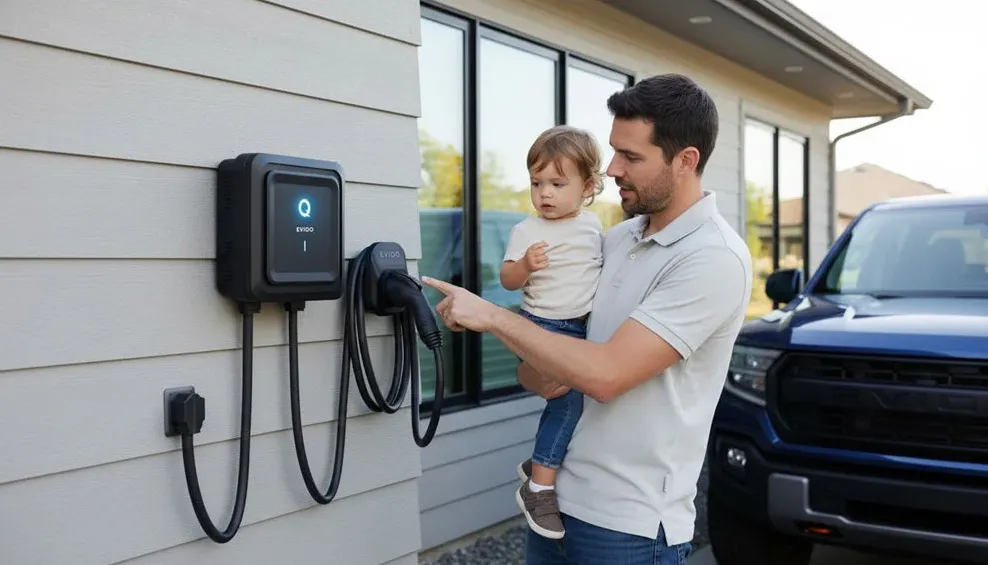
As electric vehicles become a normal part of modern transportation, home charging has turned into a key part of EV ownership. A smart home charger is no longer just a convenience; it’s an essential tool that affects charging speed, energy efficiency, safety, and even long-term cost savings.
But with so many models and features available, choosing the right one can feel overwhelming. Understanding what actually matters will help you invest in a charger that fits your vehicle, your home setup, and your lifestyle.
Understanding What a Smart Home EV Charger Is
A smart home EV charger is an advanced charging unit that connects your electric vehicle to your home electrical system while offering intelligent control features. Unlike basic chargers, smart chargers can communicate with your vehicle, track energy usage, and be controlled through mobile apps or Wi-Fi systems.
Popular EV ecosystems such as the Tesla ecosystem have helped popularize smart charging, but today, many brands offer similar technology across different EV models, including vehicles like the Tesla Model 3.
In simple terms, a smart charger doesn’t just “deliver electricity”; it optimizes how and when that electricity is used.
Check Compatibility with Your EV
The first and most important step is ensuring compatibility. Not all chargers work with all electric vehicles, and even small differences in connectors or software can affect performance.
Most EVs today use either Type 1 (J1772) or Type 2 connectors, depending on region and manufacturer. Before buying, confirm:
● Your vehicle’s charging port type
● Maximum charging capacity supported by your EV
● Whether the charger supports future vehicle upgrades
If you’re unsure, check your car manual or consult your dealership. Compatibility mistakes can lead to slower charging or the need for adapters, which are not always ideal for long-term use.
Evaluate Charging Speed and Power Output
Charging speed is one of the biggest factors in choosing a home charger. Smart chargers typically range from Level 1 (slow) to Level 2 (fast home charging).
Level 2 chargers are the most common for home use because they provide a good balance between speed and safety. They usually deliver between 7 kW and 22 kW of power, depending on your home electrical capacity.
When evaluating speed, consider:
● Your daily driving distance
● The battery size of your EV
● Time available for charging (overnight vs quick top-ups)
A higher-powered charger may seem better, but it must match your home’s electrical system to avoid overload issues.
Look for Smart Features That Add Real Value
The “smart” part of a charger is what sets it apart from traditional systems. These features can make a significant difference in convenience and cost savings.
Key smart features include:
● Mobile app control and monitoring
● Scheduled charging during off-peak hours
● Energy usage tracking
● Automatic firmware updates
● Remote diagnostics
Some advanced systems, such as those from ChargePoint, also allow users to integrate home charging with broader charging networks for added flexibility.
These features help you manage electricity consumption more efficiently and reduce your monthly energy bills.
Consider Installation Requirements
Installation is another critical factor that many buyers overlook. A smart home charger usually requires professional installation and a dedicated circuit.
Before purchasing, check:
● Your home’s electrical capacity
● Whether panel upgrades are needed
● Installation distance from the parking area
● Indoor vs outdoor placement options
Some chargers are designed for wall mounting in garages, while others are weatherproof for outdoor use. Improper installation can reduce performance and create safety risks, so it’s worth investing in a certified electrician.
Prioritize Safety and Certification Standards
Safety should never be compromised when dealing with high-voltage equipment. A reliable charger should meet recognized safety standards and include built-in protections.
Look for:
● Overcurrent protection
● Ground fault protection
● Surge protection
● Temperature monitoring
Certified chargers undergo strict testing to ensure they can safely handle continuous power loads. This is especially important in areas with unstable electricity supply or extreme weather conditions.
Explore Load Management and Energy Optimization
Modern homes often run multiple high-power appliances at the same time. Without load management, your EV charger could overload your electrical system.
Smart chargers solve this problem by dynamically adjusting power usage based on household demand. This ensures safe and balanced energy distribution.
Advanced systems may also integrate with solar panels or home battery systems, allowing you to charge your EV using renewable energy. This not only reduces electricity costs but also makes your charging setup more sustainable.
Compare Pricing and Long-Term Value
Price is an important factor, but it shouldn’t be the only one. A cheaper charger may lack important features or durability, leading to higher costs in the long run.
When comparing options, consider:
● Initial purchase cost
● Installation expenses
● Warranty coverage
● Energy savings from smart features
A mid-range or premium charger often pays for itself over time through better efficiency and reliability.
Check App Experience and Software Quality
Since smart chargers rely heavily on software, the user experience matters just as much as hardware quality. A poorly designed app can make even the best charger frustrating to use.
Look for apps that offer:
● Real-time charging status
● Easy scheduling tools
● Clear energy reports
● Reliable connectivity (Wi-Fi or cellular)
A smooth digital experience ensures you actually benefit from the “smart” features rather than ignoring them.
Warranty and Customer Support Matter
EV chargers are long-term investments, so warranty and support should not be overlooked. A good manufacturer will provide at least a few years of warranty and responsive customer service.
Check:
● Warranty duration and coverage
● Availability of replacement parts
● Technical support channels
● Reputation for after-sales service
Brands like Wallbox are known for offering strong support ecosystems alongside their hardware, which can be a major advantage for long-term users.
Choosing the right smart home charger for your EV is about more than just picking a device; it’s about building a reliable, efficient, and future-ready charging system for your daily life.
The best choice depends on balancing compatibility, charging speed, smart features, safety, and long-term value. While it may be tempting to go for the most advanced or cheapest option, the right charger is the one that fits seamlessly into your home and driving habits.

Hi, I am Admin of Punwaves.com, your ultimate destination for clever puns and laugh-out-loud jokes you Dive in for daily wordplay waves that keep your humor fresh and fun.