Inclusive education for disabled students is no longer just a progressive idea—it is a fundamental human right and a cornerstone of equitable societies. As education systems evolve, the focus is shifting toward ensuring that every student, regardless of physical, intellectual, or sensory challenges, has access to quality learning environments. This article explores the importance, benefits, challenges, and strategies of inclusive education while highlighting why it matters in today’s world.
What Is Inclusive Education?
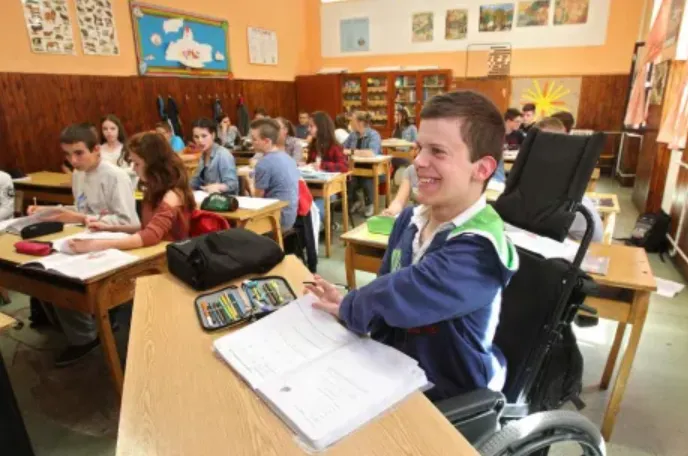
Inclusive education refers to a system where students with disabilities learn alongside their non-disabled peers in mainstream classrooms. Instead of segregating students based on their abilities, inclusive education promotes participation, accessibility, and equal opportunities for all.
This approach emphasizes adapting teaching methods, curriculum, and school environments to meet diverse needs rather than expecting students to fit into rigid systems.
Importance of Inclusive Education
Inclusive education plays a vital role in shaping a fair and just society. Here’s why it matters:
Equal Access to Learning
Every child deserves the right to education. Inclusive classrooms ensure that disabled students are not excluded or marginalized.
Social Integration
Learning together fosters understanding, empathy, and respect among students. It helps break stereotypes and reduces discrimination.
Improved Academic Outcomes
Research shows that inclusive environments often lead to better academic and social outcomes for both disabled and non-disabled students.
Building Confidence and Independence
Disabled students gain confidence by participating in everyday school activities, preparing them for independent living.
Benefits of Inclusive Education for Disabled Students
Inclusive education offers numerous advantages that go beyond academics:
Enhanced Social Skills
Interacting with diverse peers helps students develop communication and interpersonal skills.
Access to a Broader Curriculum
Students benefit from the same curriculum as others, with necessary modifications and support.
Better Emotional Development
Being part of a community reduces feelings of isolation and improves mental well-being.
Preparation for Real Life
Inclusive education mirrors real-world diversity, preparing students for future workplaces and social environments.
Benefits for Non-Disabled Students
Inclusive education is not just beneficial for disabled students—it enriches the learning experience for everyone:
- Encourages empathy and compassion
- Promotes teamwork and collaboration
- Develops problem-solving and leadership skills
- Builds awareness of diversity and inclusion
Key Principles of Inclusive Education
To successfully implement inclusive education, schools must follow certain principles:
Accessibility
Classrooms, materials, and resources should be accessible to all students.
Individualized Support
Each student’s needs should be addressed through personalized learning plans.
Collaboration
Teachers, parents, and specialists must work together to support students.
Flexibility in Teaching
Using diverse teaching methods ensures that all students can engage effectively.
Challenges in Inclusive Education
Despite its importance, inclusive education faces several challenges:
Lack of Resources
Many schools lack proper infrastructure, assistive technologies, and trained staff.
Insufficient Teacher Training
Teachers may not be adequately prepared to handle diverse learning needs.
Social Stigma
Negative attitudes and misconceptions about disabilities can hinder inclusion.
Overcrowded Classrooms
Large class sizes make it difficult to provide individualized attention.
Strategies to Promote Inclusive Education
To overcome these challenges, educational institutions can adopt the following strategies:
Teacher Training and Development
Providing specialized training helps teachers understand how to support disabled students effectively.
Use of Assistive Technology
Tools like screen readers, hearing aids, and adaptive software can enhance learning experiences.
Curriculum Adaptation
Flexible lesson plans and alternative assessment methods ensure that all students can succeed.
Creating Inclusive Policies
Governments and schools must implement policies that promote accessibility and equality.
Parental Involvement
Engaging parents ensures consistent support for students both at school and at home.
Role of Technology in Inclusive Education
Technology has revolutionized inclusive education by making learning more accessible:
- E-learning platforms provide flexible learning opportunities
- Speech-to-text tools assist students with writing difficulties
- Interactive apps make learning engaging and personalized
- Virtual classrooms remove physical barriers
These innovations empower disabled students to learn at their own pace and in ways that suit their needs.
Importance of Inclusive School Culture
An inclusive school is not just about infrastructure—it’s about mindset. Schools must foster a culture that values diversity and inclusion.
Building Awareness
Workshops and awareness programs can educate students and staff about disabilities.
Encouraging Peer Support
Buddy systems and group activities promote collaboration and friendship.
Celebrating Diversity
Recognizing and celebrating differences creates a welcoming environment for everyone.
Government and Policy Support
Strong policies are essential for the success of inclusive education. Governments play a key role by:
- Enforcing disability rights laws
- Funding inclusive programs and infrastructure
- Providing teacher training initiatives
- Monitoring and evaluating implementation
Global frameworks like the UN Convention on the Rights of Persons with Disabilities (CRPD) emphasize the importance of inclusive education worldwide.
Future of Inclusive Education
The future of education lies in inclusion. As awareness grows and technology advances, schools are becoming more equipped to support diverse learners.
Emerging trends include:
- AI-powered personalized learning
- Smart classrooms with adaptive tools
- Increased focus on mental health and well-being
- Global collaboration for inclusive practices
Conclusion
Inclusive education for disabled students is not just an educational reform—it is a moral and social necessity. By embracing inclusion, we create a system where every child has the opportunity to thrive, learn, and contribute to society.
While challenges remain, the benefits far outweigh the obstacles. With the right strategies, policies, and mindset, inclusive education can transform lives and build a more compassionate and equitable world.
Also Read: Importance of Skill-Based Education: Preparing for a Future-Ready World

Hi, I am Admin of Punwaves.com, your ultimate destination for clever puns and laugh-out-loud jokes you Dive in for daily wordplay waves that keep your humor fresh and fun.