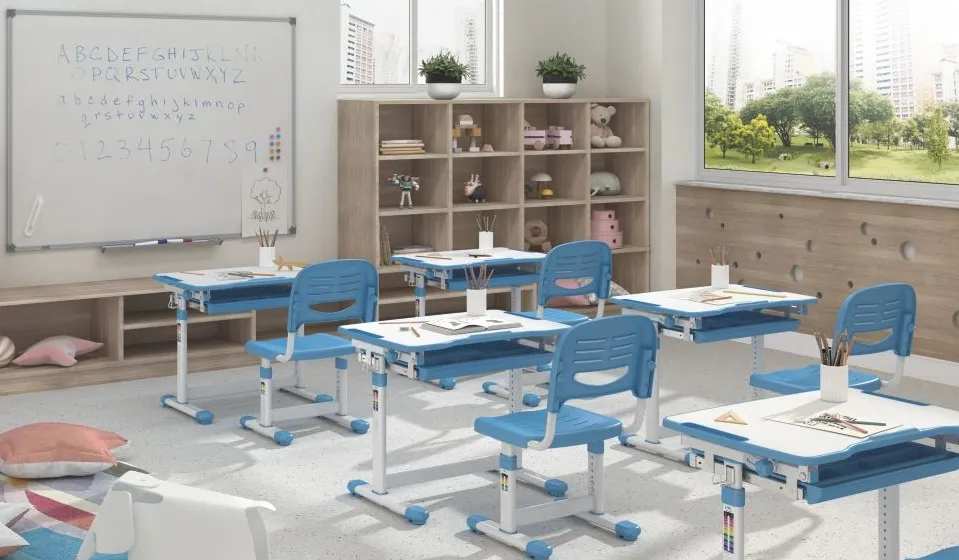
The right school furniture supply directly shapes how organized a classroom feels and functions. When desks are sized correctly, storage is accessible, and seating supports movement, teachers spend less time managing chaos and more time teaching. That single shift – from furniture as an afterthought to furniture as a planning tool – changes what a classroom can actually accomplish.
Classrooms are, at their core, working spaces. They need to handle group discussions, independent study, hands-on projects, and teacher-led instruction – often in the same afternoon. The furniture holding all of that together either helps or hurts. And when schools invest thoughtfully in the right pieces, the difference shows up quickly in how smoothly a room runs day to day.
Why Classroom Organization Starts With What You Buy
Most conversations about classroom organization focus on routines, bins, and labeling systems. Those things matter. But none of them work as well as they should if the physical setup fights against them. A desk with no storage forces supplies onto the floor. Chairs that are too large for younger students make it harder to sit still, let alone stay focused.
Good school furniture supplies give teachers a foundation to build from. A well-placed bookshelf creates a natural reading corner. Mobile tables allow a room to shift from rows to group clusters in under two minutes. Even something as basic as a coat hook rail near the door reduces the daily scramble for backpacks and keeps traffic areas clear.
The point is this: organization isn’t just about discipline or systems. A lot of it is structural – baked into the layout and the pieces that fill it. Research published in the Journal of Learning Spaces found that flexible school furniture that reconfigures easily better supports a wide range of instructional strategies and improves interaction between students and educators. This finding holds across grade levels.
The Link Between Furniture Layout and Student Behavior
There’s a reason experienced teachers talk so much about room arrangement. The placement of furniture shapes where students walk, where they gather, and how they interact with each other and their teacher. Rows communicate individual work. Clusters suggest collaboration. A horseshoe layout invites discussion.
When the layout matches the teaching style, students tend to follow along naturally. When it doesn’t – when kids are clustered for a test or spread apart for a group project – attention drifts, and management becomes a constant effort.
Storage Solutions That Actually Get Used
One of the most overlooked aspects of school supply furniture is built-in storage. Desks with under-seat cubbies, shelving units with labeled bins, and mobile carts that roll to wherever they’re needed all reduce the visual and physical clutter that slows classrooms down.
The best storage solutions share one quality: they’re easy enough that students use them without reminders. That means low shelving for younger grades, accessible drawers at desk height for older students, and communal supply stations placed where traffic flows naturally – not in corners that require a detour.
Choosing the Right School Furniture Supply Store
Not all suppliers are equal, and the difference goes beyond price. A reliable school furniture supply store stocks pieces designed for educational environments – which means they’re built for daily use by kids, easy to clean, and sized for the age groups being served.
Here’s what to look for when evaluating a supplier:
- Durability ratings – School furniture takes punishment. Look for commercial-grade materials and solid construction, not office or home-grade alternatives.
- Age-appropriate sizing – Kindergarten chairs and 8th-grade chairs are not interchangeable. Good suppliers offer ranges scaled to developmental stages.
- Flexibility options – Tables and chairs that support multiple configurations give teachers far more control over room layout.
- Bundled supply options – The best suppliers carry classroom essentials beyond just furniture: organizers, storage carts, display boards, and supply stations.
- Delivery and setup support – Large furniture orders need logistics. A supplier who handles delivery coordination saves schools significant time.
Sourcing the right school furniture supply helps teachers build organized, functional classrooms from day one.
JPro Supplies carries a curated range of school supplies specifically selected for classroom use – from organizational tools to furniture accessories that support structured, functional learning environments.
Types of School Supply Furniture That Transform a Classroom
There’s a significant difference between furniture that fills a room and furniture that organizes it. Below is a breakdown of the pieces that tend to have the most direct impact on classroom order.
| Furniture Type | Primary Organization Benefit | Best For |
| Mobile Tables | Fast reconfiguration for different activities | Multi-use classrooms |
| Under-Desk Storage Cubbies | Keeps personal supplies off floors and desks | K–8 classrooms |
| Classroom Shelving Units | Creates defined zones for books and materials | Reading and project spaces |
| Supply Carts (Wheeled) | Centralizes shared materials, reduces wandering | Art, science, group work |
| Wall-Mounted Display Boards | Clears desk surfaces, organizes visual content | All grade levels |
| Flexible Seating (Stools, Cushions) | Supports movement without disrupting layout | Elementary settings |
Each of these pieces solves a specific problem. The most organized classrooms don’t happen by accident – they’re usually the result of deliberate choices about what goes in the room and where.
Flexible Seating and Why It Works
Flexible seating has moved from a trend to a standard feature in many well-run classrooms. The idea is simple: not every student learns best in the same position. Some focus better standing. Others need a slight rock or bounce. Giving students some choice over how they sit — within defined options — tends to increase both comfort and engagement.
A 2024 analysis published by WB Wood, drawing on multiple studies, confirmed that students in classrooms with flexible furniture report more positive feelings about their learning environment compared with peers in traditionally arranged rooms. That shift in attitude translates into fewer behavioral interruptions and more time on task – two things that directly affect how organized a classroom stays throughout the day.
This doesn’t mean replacing all traditional desks with bean bags. A blended approach works well: standard desks for structured tasks, flexible options for independent reading or group work. The key is having school supply furniture that can coexist and be rearranged without friction.
Organizational Furniture for Shared Supplies
Shared classrooms – or any room where students use communal materials – are particularly vulnerable to clutter and confusion. A supply cart that lives in one place, with labeled compartments for scissors, markers, and rulers, does more than keep things tidy. It creates a predictable system that students internalize quickly, cutting down on the “where is the…” questions that eat into lesson time.
Browse classroom organization tools at JPro Supplies to find storage systems designed for the pace and volume of school environments.
Practical Steps for Upgrading Classroom Organization Through Furniture
Upgrading doesn’t have to mean replacing everything at once. Many schools work in phases, focusing first on the pieces with the highest impact.
- Audit what’s currently in the room. Note what’s working, what’s broken, and what’s creating friction. Broken drawers, mismatched chair sizes, and shelving that’s too high for students to reach comfortably are all immediate targets.
- Map out activity zones. Decide where group work, individual work, and teacher instruction will happen. Then choose furniture that supports each zone — rather than putting the same desk everywhere and hoping it covers everything.
- Prioritize storage for high-use items. Pencils, notebooks, and shared supplies should have a designated home within easy reach. If students have to cross the room for a pencil, they will – and they’ll take a detour on the way back.
- Shop from a dedicated school furniture supply store. General retailers rarely carry the right sizes or durability levels. A supplier focused on educational environments understands the difference between a chair that lasts one year and one that lasts ten.
- Involve teachers in the selection process. The people who spend every day in these rooms have strong opinions about what works. A storage solution that looks good on paper might create workflow problems that only become obvious once the term starts.
Explore the full range of classroom supplies and organizational tools at JPro Supplies, a trusted source for schools looking to build functional, well-organized learning spaces.
Frequently Asked Questions
What should schools look for when buying school furniture supplies?
Durability, age-appropriate sizing, and flexibility are the three most important factors. Furniture should withstand daily use by students, fit the physical proportions of the grade level being served, and support multiple room configurations. Buying from a specialized school furniture supply store – rather than a general retailer – significantly increases the chance of getting pieces built for educational use.
How does classroom furniture affect student learning?
Research consistently shows a direct connection between furniture quality and academic outcomes. Comfortable, well-arranged furniture reduces physical fatigue, supports focus, and makes it easier for teachers to manage room dynamics. Studies confirm that flexible furniture improves student engagement and feelings toward their learning environment compared with traditional setups.
Where can schools buy affordable school furniture?
Specialized educational suppliers often offer bulk pricing and tiered options that general stores don’t. Shopping through a school furniture supply store focused on educational clients – like JPro Supplies – typically offers better value for commercial-grade pieces than consumer retail channels.
How can teachers get the most out of classroom space and furniture?
Define activity zones first, then choose furniture to match each zone. Flexible pieces that can be rearranged quickly give teachers more control over how the room functions throughout the day. Storage that’s accessible to students without requiring teacher assistance also reduces interruptions during lessons.
What happens to old school furniture when schools get new pieces?
Most school districts have surplus property policies governing how old furniture is handled. Common options include transferring pieces to other schools, donating to community organizations, selling through surplus auctions, or recycling unusable materials. Some suppliers also offer removal services when delivering new orders.

Hi, I am Admin of Punwaves.com, your ultimate destination for clever puns and laugh-out-loud jokes you Dive in for daily wordplay waves that keep your humor fresh and fun.