Education is widely recognized as a fundamental human right and a powerful driver of economic growth, social equality, and sustainable development. In developing countries, however, access to quality education remains uneven and often limited by systemic challenges. Despite significant global efforts and progress over the past decades, millions of children and young adults in these regions still face barriers that prevent them from achieving their full potential. Understanding the landscape of education in developing countries is essential for building effective solutions that can transform societies.
The Importance of Education in Developing Nations
Education plays a crucial role in breaking the cycle of poverty. It equips individuals with the knowledge, skills, and confidence needed to secure better employment opportunities and improve their quality of life. For developing countries, investing in education leads to long-term economic growth, reduced inequality, improved health outcomes, and stronger governance.
When children receive quality education, they are more likely to contribute positively to their communities. Educated populations are better prepared to address local challenges, adopt new technologies, and participate in democratic processes. This makes education not just a personal asset but a national priority.
Major Challenges Facing Education Systems
Despite its importance, education systems in developing countries face numerous challenges that hinder progress.
1. Limited Access to Schools
In many rural and remote areas, schools are either too far away or completely unavailable. Children often have to travel long distances, which discourages regular attendance, especially for younger students and girls.
2. Poverty and Economic Barriers
Poverty remains one of the biggest obstacles to education. Families struggling to meet basic needs may prioritize work over schooling for their children. Costs associated with education—such as uniforms, books, and transportation—can be prohibitive.
3. Lack of Qualified Teachers
A shortage of trained and qualified teachers affects the quality of education. Many classrooms are overcrowded, and teachers are often underpaid and overworked, leading to low motivation and poor learning outcomes.
4. Gender Inequality
In several developing regions, girls face cultural and social barriers that limit their access to education. Early marriage, household responsibilities, and safety concerns often prevent girls from attending school.
5. Inadequate Infrastructure
Many schools lack basic facilities such as clean water, electricity, proper sanitation, and learning materials. These conditions create an unfavorable learning environment and discourage both students and teachers.
6. Political Instability and Conflict
War, political unrest, and displacement disrupt education systems. Schools may be destroyed, and children forced to flee their homes often miss years of schooling.
Opportunities for Improvement
While the challenges are significant, there are also numerous opportunities to improve education in developing countries.
1. Technology and Digital Learning
The rise of digital technology has opened new doors for education. Online learning platforms, mobile apps, and digital classrooms can reach students in remote areas. Even simple tools like radio and television have been used effectively to deliver lessons.
2. Government and Policy Reforms
Strong political commitment and effective policies are essential. Governments that prioritize education by increasing funding, improving teacher training, and enforcing compulsory education laws can make substantial progress.
3. International Support and Partnerships
Global organizations such as UNESCO, UNICEF, and the World Bank play a vital role in supporting education initiatives. Partnerships between governments, NGOs, and private sectors can bring resources, expertise, and innovation.
4. Community Involvement
Local communities can contribute significantly by promoting the value of education and supporting schools. Community-led initiatives often ensure that solutions are culturally appropriate and sustainable.
5. Focus on Inclusive Education
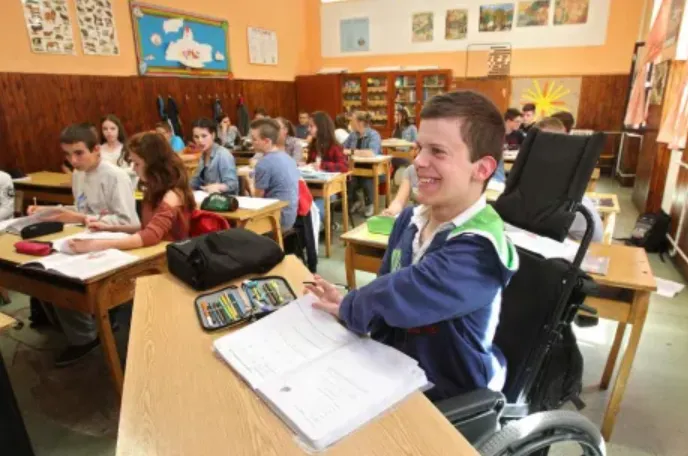
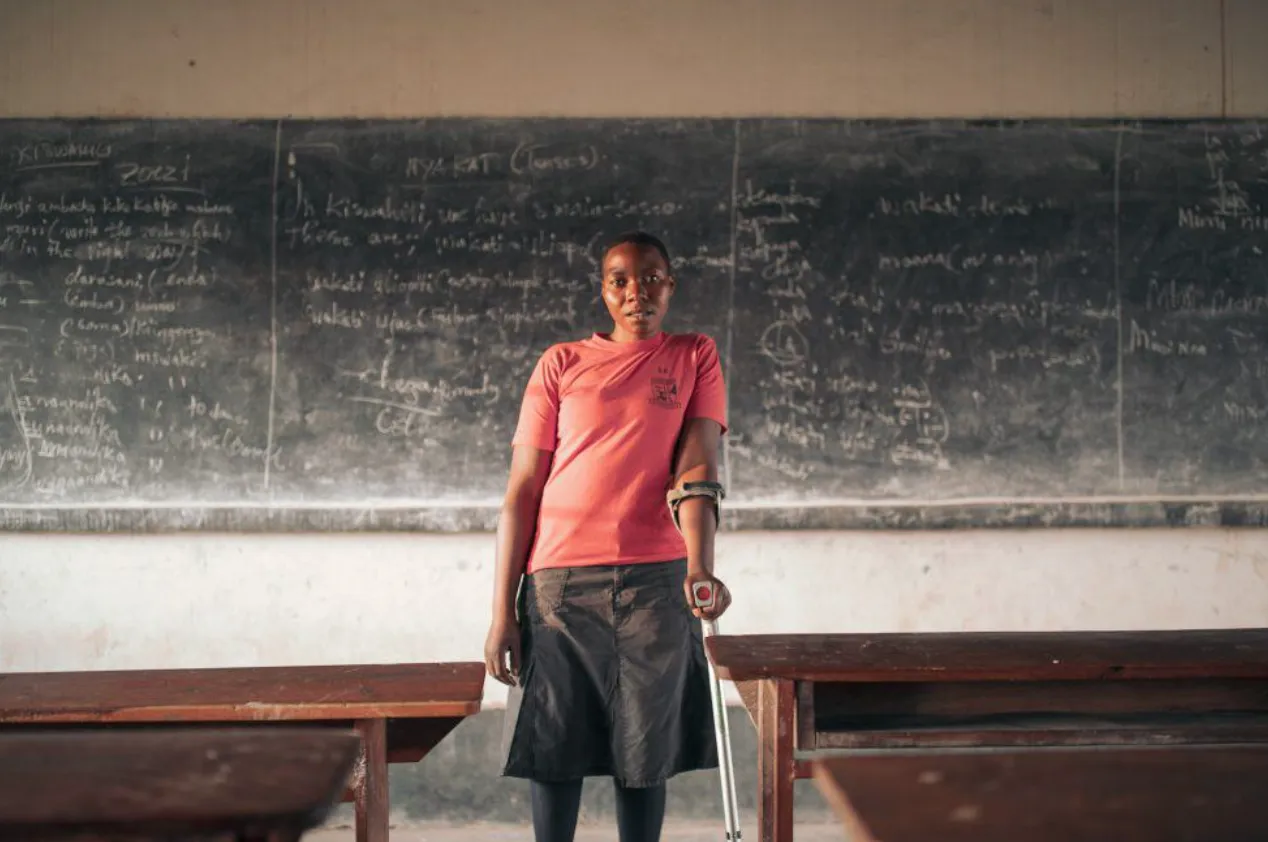
Inclusive education ensures that all children, regardless of gender, disability, or socioeconomic background, have access to learning opportunities. Programs that target marginalized groups can help reduce inequality.
The Role of Teachers in Transforming Education
Teachers are the backbone of any education system. In developing countries, empowering teachers through proper training, fair salaries, and professional development opportunities is critical. Motivated and well-equipped teachers can inspire students and improve learning outcomes significantly.
Investing in teacher education programs and adopting modern teaching methods can enhance classroom experiences. Additionally, using technology to support teachers can make learning more engaging and effective.
The Impact of Education on Economic Growth
Education is directly linked to economic development. A skilled workforce attracts investment, boosts productivity, and fosters innovation. Countries with higher literacy rates tend to have stronger economies and better standards of living.
Moreover, education contributes to entrepreneurship. Educated individuals are more likely to start businesses, create jobs, and drive economic progress. This ripple effect benefits entire communities and nations.
Gender Equality and Education
Promoting gender equality in education is essential for sustainable development. Educating girls leads to numerous positive outcomes, including reduced child mortality, improved family health, and increased economic participation.
When girls are educated, they are more likely to delay marriage, have fewer and healthier children, and contribute to the workforce. Therefore, ensuring equal access to education for both boys and girls is a critical step toward social progress.
Innovative Solutions and Success Stories
Several developing countries have implemented innovative solutions to improve education.
- Mobile Schools: In regions with nomadic populations, mobile schools bring education directly to children.
- Conditional Cash Transfers: Programs that provide financial incentives to families for sending children to school have proven effective in increasing enrollment.
- Public-Private Partnerships: Collaborations between governments and private companies have helped build schools and introduce technology in classrooms.
Countries like Bangladesh, Vietnam, and Kenya have made notable progress by adopting such strategies, demonstrating that change is possible with the right approach.
The Future of Education in Developing Countries
The future of education in developing countries depends on sustained efforts, innovation, and collaboration. Embracing technology, improving infrastructure, and ensuring inclusive policies will be key to overcoming existing challenges.
Additionally, focusing on quality education—not just access—is essential. Students must acquire relevant skills that prepare them for the modern workforce, including critical thinking, digital literacy, and problem-solving abilities.
Conclusion
Education in developing countries is both a challenge and an opportunity. While millions still lack access to quality education, ongoing efforts by governments, organizations, and communities are paving the way for improvement. By addressing barriers such as poverty, inequality, and inadequate resources, and by leveraging technology and innovation, developing nations can transform their education systems.
Ultimately, investing in education is investing in the future. It is the foundation for economic growth, social stability, and global progress. Ensuring that every child has access to quality education is not just a goal—it is a necessity for a better and more equitable world.
Also Read: Inclusive Education for Disabled Students: Building Equal Opportunities for All

Hi, I am Admin of Punwaves.com, your ultimate destination for clever puns and laugh-out-loud jokes you Dive in for daily wordplay waves that keep your humor fresh and fun.