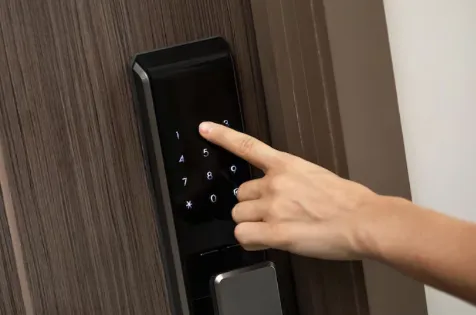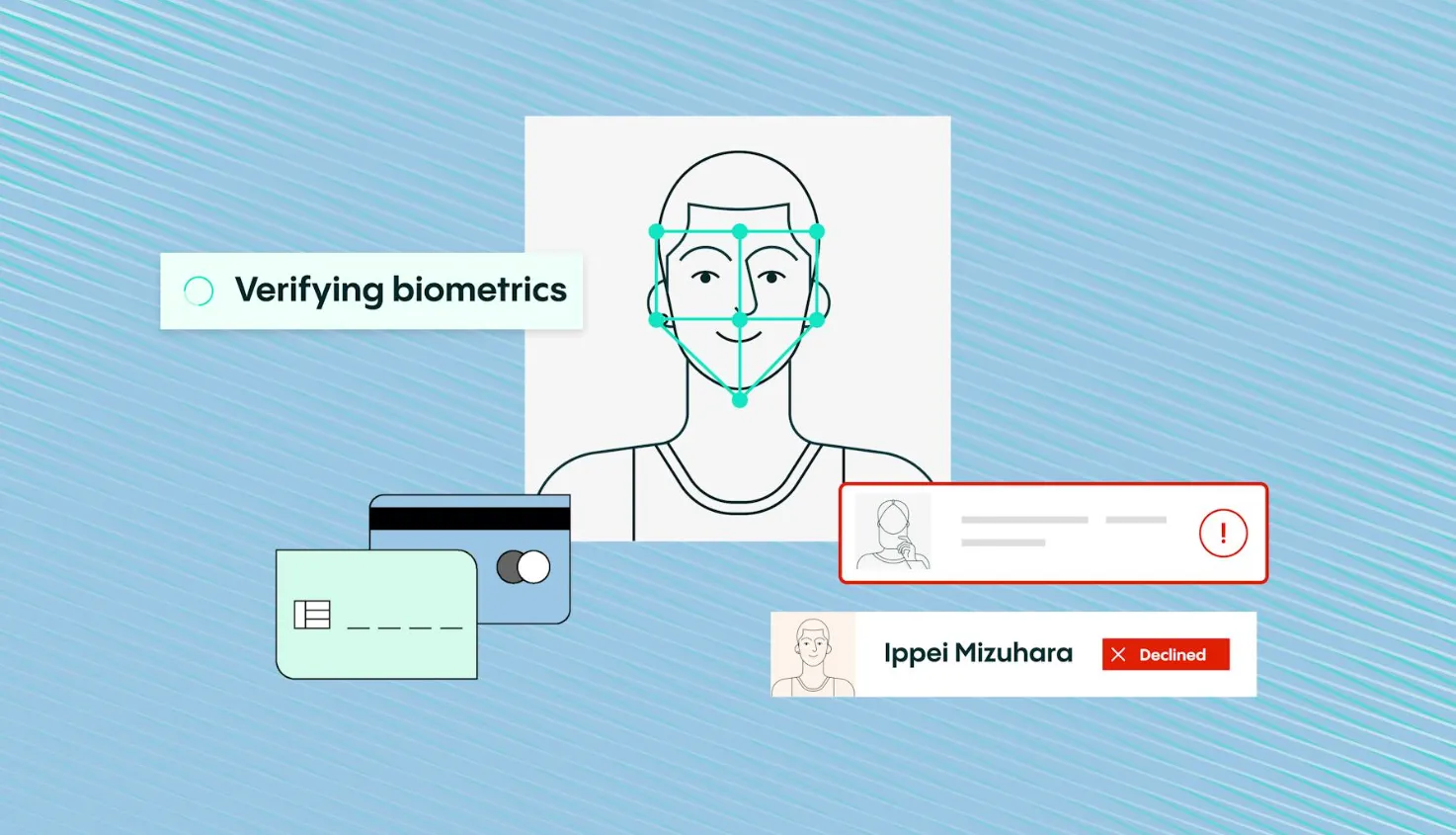
In an increasingly digital world, protecting personal and organizational data has become more critical than ever. Traditional security methods like passwords and PINs are no longer sufficient to guard against sophisticated cyber threats. This is where biometric security systems step in, offering a more secure, convenient, and reliable way to verify identity. From unlocking smartphones with a fingerprint to facial recognition at airports, biometric technology is rapidly transforming the way we think about security.
What Are Biometric Security Systems?
Biometric security systems are technologies that use unique biological or behavioral characteristics to identify and authenticate individuals. Unlike passwords, which can be forgotten or stolen, biometric traits are inherent to each person and extremely difficult to replicate.
Common types of biometric identifiers include:
- Fingerprint recognition
- Facial recognition
- Iris and retina scanning
- Voice recognition
- Hand geometry
- Behavioral patterns (like typing speed or walking style)
These systems capture and store biometric data, then compare it during authentication to grant or deny access.
How Biometric Security Systems Work
Biometric systems operate in two main phases:
- Enrollment Phase
The user’s biometric data is captured and stored in a secure database. This could be a fingerprint scan or a facial image. - Authentication Phase
When access is requested, the system scans the user again and compares it to the stored data. If there’s a match, access is granted.
Advanced algorithms and machine learning models ensure high accuracy and reduce the chances of false acceptance or rejection.
Advantages of Biometric Security Systems
1. Enhanced Security
Biometric identifiers are unique and difficult to forge, making them far more secure than traditional passwords.
2. Convenience and Speed
Users no longer need to remember complex passwords. A quick scan of a finger or face allows instant access.
3. Reduced Fraud
Biometric systems minimize identity theft and fraud since physical traits are hard to duplicate.
4. Accountability
Biometric authentication ensures that access is granted only to authorized individuals, improving tracking and accountability.
5. Scalability
These systems can be easily integrated into various applications, from smartphones to enterprise security systems.
Common Applications of Biometric Security
Biometric security systems are widely used across different industries:
🔐 Smartphones and Personal Devices
Most modern smartphones use fingerprint or facial recognition for unlocking and payment authorization.
✈️ Airports and Border Control
Facial recognition and iris scanning are used for identity verification, speeding up passenger processing.
🏢 Corporate Security
Companies use biometric access control systems to secure offices, data centers, and restricted areas.
🏥 Healthcare
Biometric systems protect patient data and ensure accurate identification of patients and staff.
🏦 Banking and Finance
Banks use voice and facial recognition for secure transactions and fraud prevention.
Challenges and Concerns
Despite their advantages, biometric security systems also come with certain challenges:
Privacy Issues
Biometric data is highly sensitive. If compromised, it cannot be changed like a password.
Data Storage Risks
Storing biometric data in centralized databases can make them attractive targets for hackers.
Accuracy Limitations
Environmental factors or physical changes (like injuries) can affect system accuracy.
Cost of Implementation
Advanced biometric systems can be expensive to deploy and maintain, especially for small businesses.
Biometric Security vs Traditional Authentication
Traditional methods like passwords rely on something you know, while biometrics rely on something you are. This fundamental difference makes biometric systems more secure.
| Feature | Traditional Security | Biometric Security |
| Ease of Use | Moderate | High |
| Security Level | Medium | High |
| Risk of Theft | High | Low |
| User Experience | Can be complex | Seamless |
Many organizations now use multi-factor authentication (MFA), combining biometrics with passwords or tokens for even stronger security.
The Role of AI in Biometric Security
Artificial Intelligence (AI) plays a crucial role in improving biometric systems. Machine learning algorithms enhance pattern recognition, making systems more accurate and adaptive.
For example:
- Facial recognition systems can identify users even with changes in appearance.
- Voice recognition can adapt to variations in tone or accent.
- Behavioral biometrics can detect suspicious activity patterns in real time.
AI also helps reduce false positives and improve system reliability.
Future Trends in Biometric Security Systems
The future of biometric security looks promising, with several innovations on the horizon:
1. Contactless Biometrics
Post-pandemic, there is growing demand for touchless systems like facial and iris recognition.
2. Behavioral Biometrics
Systems will increasingly rely on behavior patterns such as typing speed or mouse movement.
3. Decentralized Identity Systems
Biometric data may be stored securely on personal devices instead of centralized databases.
4. Integration with IoT
Biometric security will be integrated into smart homes, wearables, and connected devices.
5. Continuous Authentication
Instead of one-time verification, systems will continuously monitor user behavior for security.
Best Practices for Using Biometric Security
To maximize the benefits of biometric systems, organizations should follow these best practices:
- Encrypt biometric data to prevent breaches
- Use multi-factor authentication
- Regularly update security protocols
- Ensure compliance with data protection regulations
- Educate users about privacy and security risks
Conclusion
Biometric security systems are revolutionizing the way we protect data and verify identity. By leveraging unique human characteristics, these systems provide a higher level of security, convenience, and efficiency compared to traditional methods. While challenges like privacy concerns and data protection remain, ongoing advancements in AI and cybersecurity are addressing these issues.
As technology continues to evolve, biometric security will become an integral part of our daily lives, from unlocking devices to securing sensitive information. Embracing this innovation responsibly will be key to building a safer and more secure digital future.
Also Read: Ethics in Artificial Intelligence: Building a Responsible Future

Hi, I am Admin of Punwaves.com, your ultimate destination for clever puns and laugh-out-loud jokes you Dive in for daily wordplay waves that keep your humor fresh and fun.