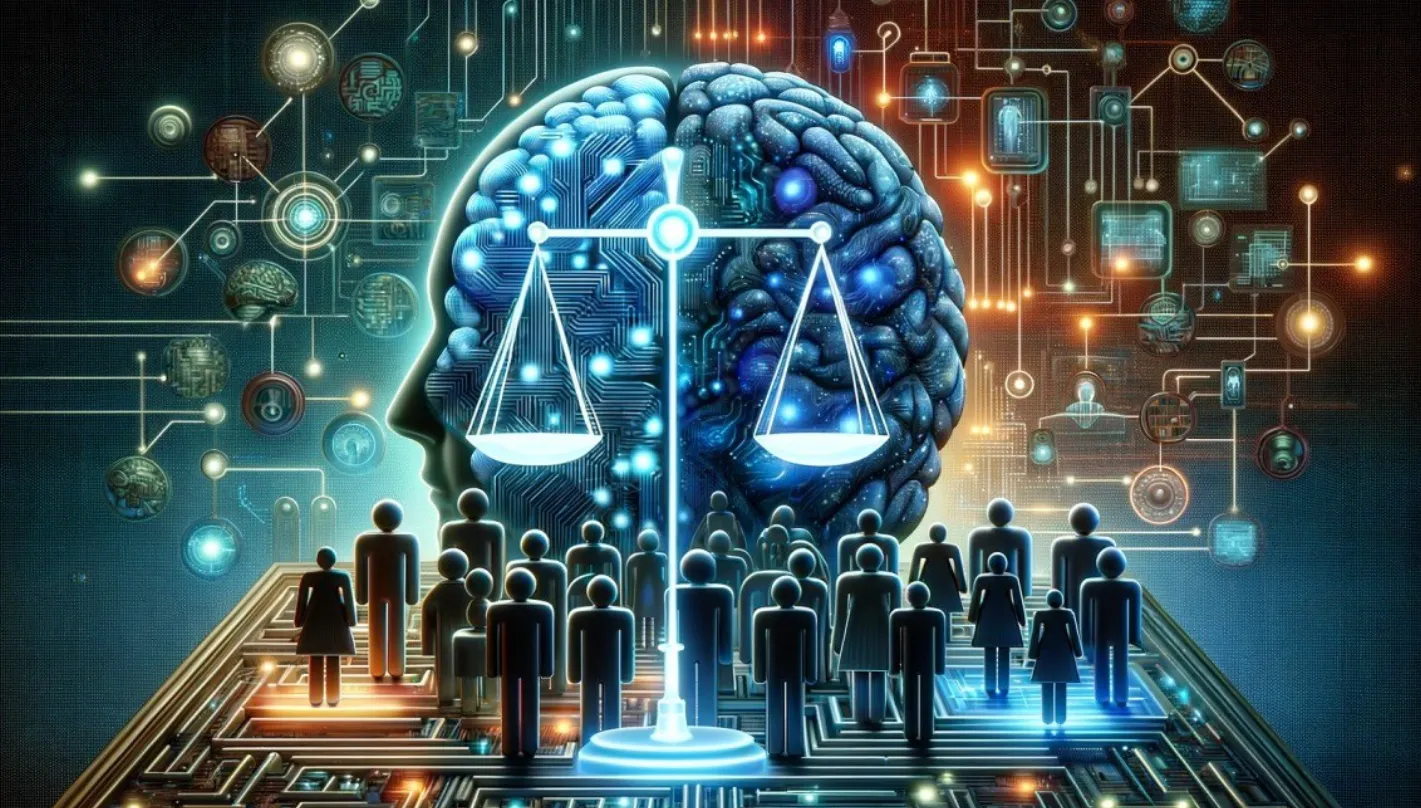
Artificial Intelligence (AI) is no longer a concept confined to science fiction. It powers search engines, recommendation systems, healthcare diagnostics, autonomous vehicles, and even decision-making processes in finance and governance. As AI continues to evolve rapidly, one critical question becomes impossible to ignore: How do we ensure that AI is used ethically? Ethics in artificial intelligence is not just a theoretical concern—it is a practical necessity that shapes how technology impacts human lives.
What Is AI Ethics?
AI ethics refers to the moral principles and guidelines that govern the design, development, and deployment of artificial intelligence systems. It focuses on ensuring that AI technologies are used responsibly, transparently, and fairly, without causing harm to individuals or society.
At its core, AI ethics addresses questions like:
- Is the AI system fair and unbiased?
- Does it respect user privacy?
- Can its decisions be explained and understood?
- Who is accountable when something goes wrong?
These questions are crucial because AI systems increasingly influence real-world outcomes—from hiring decisions to criminal justice assessments.
Why Ethics in Artificial Intelligence Matters
The importance of ethical AI cannot be overstated. As AI systems become more powerful, their ability to impact society grows significantly. Without proper ethical frameworks, AI can reinforce inequalities, invade privacy, and even cause physical harm.
For example, biased algorithms can discriminate against certain groups in hiring or lending processes. Facial recognition systems have been criticized for higher error rates among people with darker skin tones. These issues highlight how AI can unintentionally amplify existing social biases if not carefully designed.
Moreover, AI systems often operate at scale. A single flawed algorithm can affect millions of people, making ethical considerations not just important—but essential.
Key Principles of Ethical AI
To build responsible AI systems, several ethical principles are widely recognized:
Fairness and Non-Discrimination
AI systems should treat all individuals equally, without bias based on race, gender, religion, or other characteristics. Developers must actively identify and eliminate biases in training data and algorithms.
Transparency and Explainability
Users should understand how AI systems make decisions. Transparent AI builds trust and allows stakeholders to identify potential issues. Explainable AI (XAI) is a growing field focused on making AI decisions interpretable.
Accountability
There must be clear accountability for AI outcomes. Organizations should take responsibility for the actions of their AI systems and ensure mechanisms are in place to address errors or harm.
Privacy and Data Protection
AI systems rely heavily on data, often personal and sensitive. Ethical AI must respect user privacy and comply with data protection regulations, ensuring that information is collected and used responsibly.
Safety and Reliability
AI systems should function as intended and avoid causing harm. This is especially critical in areas like healthcare, autonomous driving, and critical infrastructure.
Challenges in Implementing AI Ethics
Despite growing awareness, implementing ethical AI is not straightforward. Several challenges complicate the process:
Data Bias: AI systems learn from historical data, which may contain biases. Removing these biases without losing valuable information is complex.
Lack of Regulation: While some countries have introduced AI guidelines, global standards are still evolving. This creates inconsistencies in how ethical principles are applied.
Black Box Models: Many advanced AI systems, such as deep learning models, are difficult to interpret. This lack of transparency makes it hard to ensure ethical decision-making.
Rapid Technological Growth: AI is advancing faster than ethical frameworks can keep up, leaving gaps in oversight and governance.
Real-World Examples of Ethical Concerns
Ethical issues in AI are not hypothetical—they are already affecting real-world applications:
- Healthcare AI: AI systems used for diagnosis must be accurate and unbiased. A flawed system could lead to incorrect treatments.
- Autonomous Vehicles: Self-driving cars must make ethical decisions in life-threatening situations, raising questions about responsibility and moral judgment.
- Social Media Algorithms: Recommendation systems can amplify misinformation or harmful content, influencing public opinion and behavior.
These examples illustrate why ethical considerations must be integrated into AI development from the beginning—not added as an afterthought.
The Role of Governments and Organizations
Governments, tech companies, and international organizations all play a role in promoting ethical AI.
Governments can create regulations and policies that ensure AI systems are safe, fair, and accountable. For instance, data protection laws and AI governance frameworks help set standards.
Organizations must adopt ethical guidelines and invest in responsible AI practices. This includes conducting bias audits, ensuring transparency, and training employees on ethical considerations.
International collaboration is also crucial, as AI technologies often operate across borders. Global standards can help create consistency and prevent misuse.
Ethical AI and the Future of Work
AI is transforming the workplace, automating tasks and reshaping industries. While this brings efficiency and innovation, it also raises ethical concerns about job displacement and economic inequality.
Responsible AI should focus on augmenting human capabilities rather than replacing them entirely. Companies must consider the social impact of automation and invest in reskilling and upskilling programs to support affected workers.
How Developers Can Build Ethical AI
Developers play a critical role in ensuring ethical AI. Some best practices include:
- Using diverse and representative datasets
- Conducting regular bias and fairness audits
- Designing systems with transparency in mind
- Incorporating ethical reviews into the development lifecycle
- Engaging with stakeholders, including affected communities
By integrating ethics into every stage of development, developers can create AI systems that are not only powerful but also responsible.
The Path Forward
Ethics in artificial intelligence is not a one-time solution—it is an ongoing process. As technology evolves, so must our understanding of its ethical implications.
Building ethical AI requires collaboration between technologists, policymakers, ethicists, and society as a whole. It demands a proactive approach, where ethical considerations are embedded into the foundation of AI systems.
The future of AI holds immense potential, but it also comes with significant responsibility. By prioritizing ethics, we can harness the power of artificial intelligence to benefit humanity while minimizing harm.
Conclusion
Artificial intelligence is shaping the world in unprecedented ways. While its benefits are undeniable, its risks cannot be ignored. Ethics in AI ensures that technological progress aligns with human values, promoting fairness, accountability, and trust.
As we move forward, the question is not whether we should regulate and guide AI ethically—but how effectively we can do it. The choices we make today will determine whether AI becomes a force for good or a source of unintended consequences.
Also Read: Future of Smartphones: What to Expect in the Next Decade

Hi, I am Admin of Punwaves.com, your ultimate destination for clever puns and laugh-out-loud jokes you Dive in for daily wordplay waves that keep your humor fresh and fun.