Plumbing problems are an inevitable part of homeownership. From dripping faucets to clogged drains, these issues can disrupt daily life and, if left unattended, lead to costly repairs. The good news is that many common plumbing issues can be fixed without professional help—saving both time and money. In this SEO-optimized guide, we’ll walk you through practical solutions to the most frequent plumbing problems and how to prevent them in the future.
🔧 1. Dripping Faucets
A dripping faucet is more than just an annoyance—it can waste hundreds of liters of water over time and increase your utility bill.
Causes:
- Worn-out washers or O-rings
- Corroded valve seats
- Loose or damaged parts
How to Fix:
Start by turning off the water supply. Disassemble the faucet and inspect the washer or O-ring. In most cases, replacing these small components will stop the leak. Make sure to reassemble everything tightly to prevent future drips.
Prevention Tip:
Avoid over-tightening faucets, as this can wear out internal components faster.
🚿 2. Low Water Pressure
Low water pressure can make simple tasks like showering or washing dishes frustrating.
Causes:
- Mineral buildup in pipes or fixtures
- Leaks in the plumbing system
- Faulty pressure regulators
How to Fix:
Check if the issue is isolated to one fixture or affects the entire house. For localized problems, clean the aerator or showerhead by soaking it in vinegar to remove mineral deposits. If the problem is widespread, inspect for leaks or consider replacing the pressure regulator.
Prevention Tip:
Install water softeners in areas with hard water to reduce mineral buildup.
🚰 3. Clogged Drains
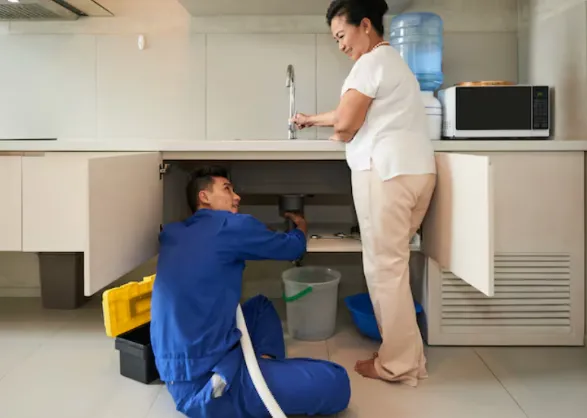
Clogged drains are one of the most common plumbing issues in kitchens and bathrooms.
Causes:
- Hair, soap scum, and grease buildup
- Food particles in kitchen sinks
- Foreign objects blocking the pipe
How to Fix:
Use a plunger or a drain snake to remove blockages. For minor clogs, a mixture of baking soda and vinegar followed by hot water can be effective. Avoid using harsh chemical cleaners, as they can damage pipes over time.
Prevention Tip:
Install drain covers and avoid pouring grease or food scraps down the sink.
🚽 4. Running Toilets
A running toilet can waste a significant amount of water daily and increase your water bill.
Causes:
- Faulty flapper valve
- Improper float height
- Worn-out fill valve
How to Fix:
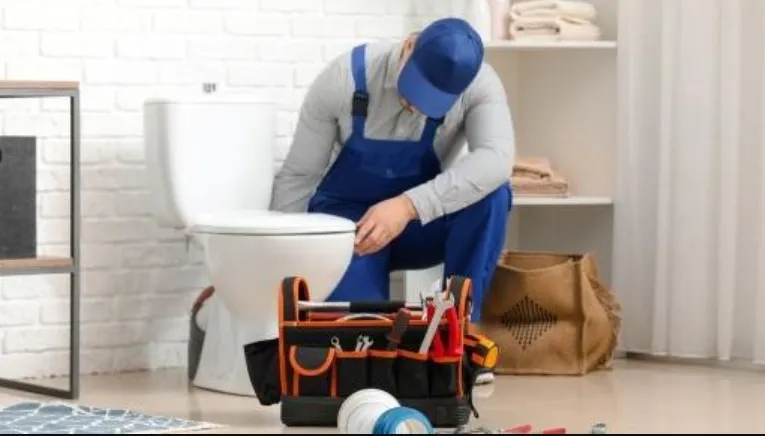
Open the tank and inspect the flapper. If it’s worn or not sealing properly, replace it. Adjust the float to ensure the water level is correct. If the issue persists, replacing the fill valve may be necessary.
Prevention Tip:
Regularly check the toilet tank components for wear and tear.
💧 5. Leaky Pipes
Leaky pipes can cause water damage, mold growth, and structural issues if not addressed promptly.
Causes:
- Corrosion
- High water pressure
- Loose pipe joints
How to Fix:
For temporary fixes, use pipe tape or epoxy putty. For a long-term solution, replace the damaged section of the pipe. Always turn off the main water supply before attempting repairs.
Prevention Tip:
Inspect exposed pipes regularly and maintain proper water pressure levels.
🔥 6. Water Heater Issues
A malfunctioning water heater can leave you without hot water when you need it most.
Common Problems:
- No hot water
- Strange noises
- Water leaks
How to Fix:
Check the thermostat settings and ensure the power supply is working. Sediment buildup can cause noise—flush the tank periodically to remove debris. If the heater is leaking, it may need professional repair or replacement.
Prevention Tip:
Schedule annual maintenance to extend the lifespan of your water heater.
🚫 7. Slow Draining Sink
A slow drain is often an early sign of a developing clog.
Causes:
- Partial blockage in pipes
- Soap residue or grease buildup
How to Fix:
Use a plunger or a drain cleaner tool. Flushing the drain with hot water and vinegar can also help clear minor obstructions.
Prevention Tip:
Clean drains regularly and avoid disposing of non-biodegradable materials in sinks.
🌊 8. Burst Pipes
Burst pipes are a serious plumbing emergency that can cause extensive water damage.
Causes:
- Freezing temperatures
- Old or weakened pipes
- Excessive water pressure
How to Fix:
Immediately shut off the main water supply and drain the system. Temporary fixes like pipe clamps can help until a professional repair is done.
Prevention Tip:
Insulate pipes during cold weather and monitor water pressure levels.
🧰 Essential Plumbing Tools Every Homeowner Should Have
To handle basic plumbing repairs, keep these tools on hand:
- Plunger
- Adjustable wrench
- Pipe wrench
- Plumber’s tape
- Drain snake
Having the right tools can make DIY plumbing fixes much easier and more efficient.
🛡️ When to Call a Professional Plumber
While many plumbing issues can be fixed at home, some situations require expert help:
- Major pipe leaks or bursts
- Sewer line problems
- Persistent low water pressure
- Water heater replacement
Attempting complex repairs without proper knowledge can worsen the problem and increase costs.
✅ Final Thoughts
Fixing common plumbing issues doesn’t always require professional assistance. With basic knowledge and the right tools, homeowners can handle many minor problems effectively. Regular maintenance and preventive measures can also go a long way in avoiding costly repairs.
By understanding the causes and solutions to these everyday plumbing problems, you can keep your home’s plumbing system running smoothly and efficiently. Whether it’s a dripping faucet or a clogged drain, taking prompt action will save you time, money, and stress in the long run.
Also Read: Work-Life Balance Strategies: Practical Ways to Thrive in Both Career and Personal Life

Hi, I am Admin of Punwaves.com, your ultimate destination for clever puns and laugh-out-loud jokes you Dive in for daily wordplay waves that keep your humor fresh and fun.