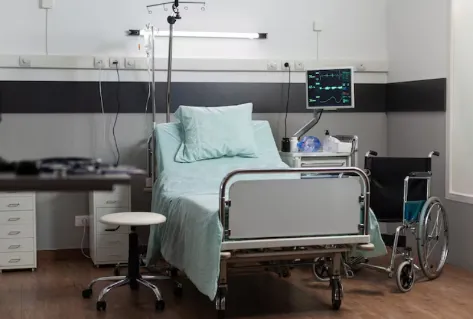
Hospital beds are often overlooked when people think about healthcare innovation, yet they remain one of the most essential components in any medical environment. Far from being simple resting places, modern hospital beds function as highly specialised medical systems designed to support recovery, improve clinical efficiency, and enhance patient safety. Their evolution reflects the broader transformation of healthcare itself, where technology, ergonomics, and patient-centred design increasingly work together to improve outcomes.
As healthcare systems continue to face rising patient demands and more complex medical cases, the role of the hospital bed has expanded significantly. It is no longer just part of the infrastructure; it is an active tool in diagnosis, monitoring, treatment, and recovery.
The Transformation of Hospital Beds Through Medical Innovation
The development of hospital beds over time mirrors the progression of modern medicine. Early hospital beds were simple and functional, designed primarily for rest and basic care. They offered minimal adjustability and little consideration for patient comfort or caregiver efficiency.
Over time, medical advancements introduced new expectations. Healthcare providers began to understand that patient positioning, pressure management, and mobility support could directly influence recovery outcomes. This led to the introduction of adjustable frames, specialised mattresses, and mechanical lifting systems that significantly improved both patient care and nursing workflows.
Today’s hospital beds are highly engineered systems that incorporate electrical controls, ergonomic structures, and in some cases, digital monitoring capabilities. These improvements are not simply conveniences; they are essential components of modern healthcare delivery that reduce complications and enhance recovery efficiency.
Core Features of Modern Hospital Bed Systems
Modern hospital beds are designed to serve multiple clinical purposes at once. One of their most important features is adjustability. The ability to raise or lower different sections of the bed allows healthcare providers to position patients in ways that support medical treatment, reduce discomfort, and prevent complications.
For example, elevating the upper body can assist patients with respiratory conditions by improving airflow and reducing strain. Adjusting leg positions can enhance circulation and help prevent blood clots in patients who are immobile for extended periods. These adjustments can be made with precision, often through electronic control systems that allow caregivers or patients themselves to modify positioning with ease.
Another critical feature is height adjustment. Being able to raise or lower the entire bed improves safety during patient transfers, reducing physical strain on healthcare workers and lowering the risk of injury. It also supports accessibility for patients when entering or leaving the bed.
Modern hospital beds may also include integrated safety systems such as side rails, braking mechanisms, and alarm functions. These features help prevent accidental falls and ensure that patients remain secure, especially during periods of reduced mobility or cognitive impairment.
Enhancing Patient Recovery and Clinical Outcomes
The design of hospital beds plays a direct role in patient recovery. Comfort and positioning are not secondary considerations; they are central to healing. Patients who are able to rest in properly adjusted positions often experience reduced pain levels, improved sleep quality, and better overall recovery outcomes.
Pressure management is another crucial factor. Prolonged immobility can lead to pressure ulcers, a serious medical complication that can slow recovery and increase hospital stays. To address this, many modern beds use specialised mattresses that redistribute pressure across the body. Some systems alternate pressure points automatically, reducing strain on vulnerable areas of the skin.
Proper bed positioning also contributes to improved digestion, reduced swelling, and better respiratory function. These seemingly small adjustments can have a significant cumulative impact on a patient’s health trajectory, especially in long-term care scenarios.
The Integration of Smart Technology in Hospital Beds
One of the most significant advancements in recent years has been the integration of digital technology into hospital bed systems. Smart hospital beds now feature embedded sensors that monitor patient movement, vital signs, and bed occupancy status.
These systems can transmit data directly to hospital monitoring platforms or electronic health records, allowing healthcare professionals to track patient conditions in real time. This continuous flow of information supports faster decision-making and more accurate treatment adjustments.
Some advanced beds also include touch-screen interfaces or remote control systems that allow both patients and medical staff to adjust settings easily. This improves autonomy for patients while also reducing the workload for caregivers.
In more advanced healthcare environments, smart beds are beginning to interact with broader hospital systems, contributing to automated workflows and predictive care models. This shift represents a major step toward more connected and responsive healthcare infrastructure.
Ergonomics, Design, and Patient Experience
Hospital bed design is not purely technical; it also involves human-centred considerations that affect emotional well-being and comfort. Healthcare environments can often feel stressful or intimidating, and thoughtful bed design helps reduce this psychological burden.
Modern beds are designed with smoother edges, quieter mechanical systems, and materials that create a more calming environment. These subtle improvements can have a meaningful impact on patient comfort and mental health during recovery.
Ergonomics also plays a major role in supporting healthcare workers. Beds that are easier to manoeuver, adjust, and clean reduce physical strain on nurses and caregivers. This improves efficiency while also minimising workplace injuries in clinical settings.
Mobility is another important design factor. Hospital beds must be easily transportable within medical facilities, especially in emergency situations or when patients require diagnostic procedures in different departments. Smooth-rolling systems and compact structural designs help ensure seamless movement through hospital corridors.
Economic Impact and Healthcare Resource Management
Hospital beds represent a significant investment for healthcare institutions, and their selection has long-term financial implications. High-quality beds may require greater upfront costs, but they often lead to reduced operational expenses over time.
Improved patient recovery times, fewer complications, and reduced hospital stays all contribute to cost savings. In addition, efficient bed systems can reduce the workload on medical staff, improving overall hospital productivity.
Healthcare facilities must also balance different types of beds to meet varying patient needs. Intensive care units, general wards, and long-term care facilities all require different levels of technological sophistication. Effective resource allocation ensures that each patient receives appropriate care without unnecessary expenditure.
Maintenance and durability are also important financial considerations. Beds used in high-demand environments must withstand frequent use while maintaining performance standards over long periods.
Future Directions in Hospital Bed Innovation
The future of hospital bed technology is closely linked to broader advancements in healthcare innovation. Artificial intelligence is expected to play a greater role in predictive monitoring, where beds may be able to detect early signs of patient deterioration and alert medical staff before conditions worsen.
There is also growing interest in integrating virtual and augmented reality systems into patient care. These technologies could be used for pain management, rehabilitation exercises, or mental health support during long hospital stays.
Sustainability is another emerging focus. Future hospital beds may incorporate energy-efficient systems or environmentally friendly materials to reduce the overall ecological footprint of healthcare facilities.
At the same time, challenges such as data security, system interoperability, and affordability will need to be addressed to ensure that these innovations remain practical and widely accessible.
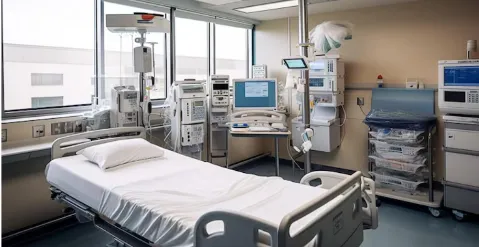
The Continuing Importance of Hospital Bed Innovation
Hospital beds may seem like standard equipment within medical environments, but their role is far more significant than it appears. They support recovery, enhance safety, improve clinical efficiency, and contribute to the overall quality of healthcare delivery.
As medical technology continues to evolve, hospital beds will remain at the centre of patient care innovation. Their transformation reflects a broader shift toward smarter, more responsive, and more human-centred healthcare systems.

Hi, I am Admin of Punwaves.com, your ultimate destination for clever puns and laugh-out-loud jokes you Dive in for daily wordplay waves that keep your humor fresh and fun.