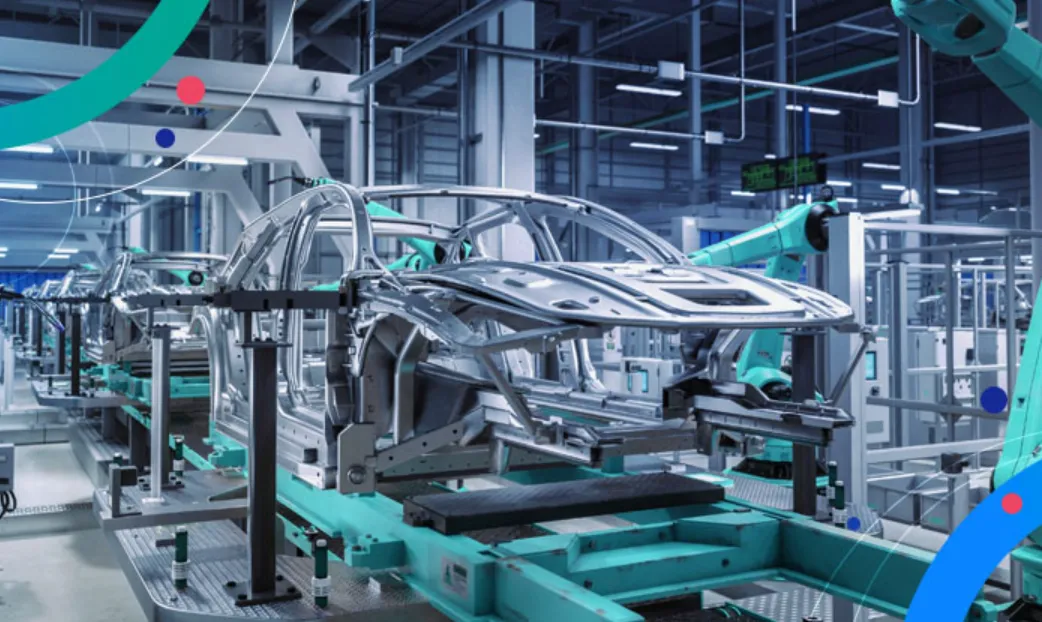
The automotive industry is one of the most complex and globally interconnected sectors in the world. From raw material extraction to final vehicle assembly, the process depends on a vast network of suppliers, manufacturers, and logistics providers. In recent years, however, supply chain issues in the auto industry have become a major concern, disrupting production, increasing costs, and delaying deliveries.
Understanding the root causes and long-term implications of these disruptions is essential for businesses, policymakers, and consumers. This article explores the key challenges affecting automotive supply chains and the strategies being used to overcome them.
Understanding the Automotive Supply Chain
The automotive supply chain consists of multiple tiers of suppliers providing essential components such as engines, electronics, tires, and raw materials. These components are often sourced from different parts of the world, making the system highly efficient but also vulnerable to disruption.
Most automakers rely on just-in-time manufacturing, a system that reduces inventory costs by receiving parts only when they are needed. While this approach improves efficiency, it leaves little margin for error when unexpected disruptions occur. A delay in even a single component can halt an entire production line.
Major Causes of Supply Chain Disruptions
One of the primary causes of supply chain issues in the auto industry has been the global semiconductor shortage. Modern vehicles depend heavily on microchips for critical functions such as engine management, safety systems, and infotainment. During the COVID-19 pandemic, demand for consumer electronics surged, diverting chip supply away from automakers.
Another major factor has been the impact of the pandemic itself. Lockdowns, factory shutdowns, and labor shortages created significant disruptions across the supply chain. Shipping delays and port congestion further complicated the situation, making it difficult to transport goods efficiently.
Geopolitical tensions have also played a role in supply chain instability. Trade conflicts, tariffs, and regional disputes have disrupted the flow of essential materials and components. In some cases, sanctions and export restrictions have limited access to critical technologies and resources.
Additionally, shortages of raw materials such as lithium, cobalt, and nickel have become increasingly problematic. These materials are essential for electric vehicle batteries, and growing demand has outpaced supply, leading to higher costs and production delays.
Impact on the Automotive Industry
Supply chain disruptions have had a significant impact on the automotive industry. One of the most immediate effects has been reduced vehicle production. Many manufacturers have been forced to scale back operations or temporarily shut down factories due to parts shortages.
As a result, vehicle prices have increased. With fewer cars available and demand remaining strong, both new and used vehicle prices have surged. This has made it more difficult for consumers to afford vehicles and has shifted buying behavior.
Delivery delays have also become common. Customers often have to wait several months to receive new vehicles, particularly those with advanced technology features that require more electronic components.
Automakers have also changed their production strategies. Many companies are prioritizing high-margin vehicles such as SUVs and luxury models to maximize profits during periods of limited supply. This has reduced the availability of more affordable vehicles in the market.
The growth of electric vehicles has also been affected. While demand for EVs continues to rise, supply chain constraints have slowed production and delayed the rollout of new models.
Role of Electric Vehicles in Supply Chain Changes
The transition to electric vehicles is transforming the automotive supply chain. Unlike traditional vehicles, EVs rely heavily on batteries and electronic systems rather than mechanical components. This shift has increased demand for specialized materials and technologies.
Battery production has become a critical part of the supply chain, requiring significant investment in infrastructure and resources. Automakers are forming partnerships with battery manufacturers and building large-scale production facilities to secure supply.
At the same time, the reliance on rare minerals has introduced new challenges. Mining and processing these materials can be complex and environmentally sensitive, adding another layer of difficulty to supply chain management.
Strategies to Overcome Supply Chain Challenges
Automakers are taking several steps to address supply chain issues and improve resilience. One of the most important strategies is supplier diversification. By sourcing components from multiple suppliers and regions, companies can reduce their dependence on any single source.
Another approach is increasing investment in semiconductor production. Some automotive companies are collaborating with chip manufacturers to secure long-term supply agreements or investing directly in production facilities.
Inventory management strategies are also evolving. While just-in-time manufacturing remains important, many companies are adopting a more flexible approach by maintaining safety stock of critical components.
Localization of supply chains is another growing trend. By moving production closer to key markets, companies can reduce transportation risks and improve efficiency. This approach also helps mitigate the impact of global disruptions.
Digital transformation is playing a key role in modern supply chain management. Technologies such as artificial intelligence, data analytics, and blockchain are being used to improve visibility, forecast demand, and identify potential disruptions early.
Future Outlook of the Automotive Supply Chain
The future of the automotive supply chain will likely focus on resilience, sustainability, and innovation. Companies are increasingly prioritizing transparency and collaboration across the supply chain to ensure smoother operations.
Sustainability is becoming a major consideration, particularly in the sourcing of raw materials. Automakers are exploring environmentally friendly alternatives and investing in recycling technologies to reduce dependence on scarce resources.
Automation and advanced technologies will continue to improve efficiency and reduce risks. Smart factories and connected supply chains will enable real-time monitoring and faster decision-making.
Strategic partnerships between automakers, technology firms, and governments will also play a crucial role in strengthening supply chains. These collaborations can help address challenges such as resource shortages and infrastructure limitations.
Conclusion
Supply chain issues in the auto industry have highlighted the vulnerabilities of a highly globalized and efficiency-driven system. From semiconductor shortages to geopolitical tensions, multiple factors have contributed to ongoing disruptions.
However, these challenges have also driven innovation and transformation within the industry. By adopting strategies such as supplier diversification, localization, and digital integration, automakers are building more resilient supply chains.
As the industry continues to evolve, particularly with the rise of electric vehicles, a strong and flexible supply chain will be essential for long-term success. Addressing these challenges effectively will not only benefit manufacturers but also ensure better outcomes for consumers worldwide.
Also Read: How Turbochargers and Superchargers Work: A Complete Guide to Forced Induction

Hi, I am Admin of Punwaves.com, your ultimate destination for clever puns and laugh-out-loud jokes you Dive in for daily wordplay waves that keep your humor fresh and fun.