Modern engines are all about balancing power, efficiency, and emissions. One of the most effective ways to boost engine performance without dramatically increasing engine size is through forced induction—and that’s where turbochargers and superchargers come in. These technologies compress air entering the engine, allowing more fuel to be burned and producing more power. But while they share the same goal, they operate in very different ways.
In this SEO-optimized guide, we’ll break down how turbochargers and superchargers work, their differences, advantages, and which one might be better for your needs.
What Is Forced Induction?
Before diving into turbochargers and superchargers, it’s important to understand the concept of forced induction.
A standard engine draws air in naturally through atmospheric pressure. However, forced induction systems compress the incoming air, increasing its density. More air means more oxygen, and more oxygen allows more fuel to burn—resulting in a more powerful combustion.
How Turbochargers Work
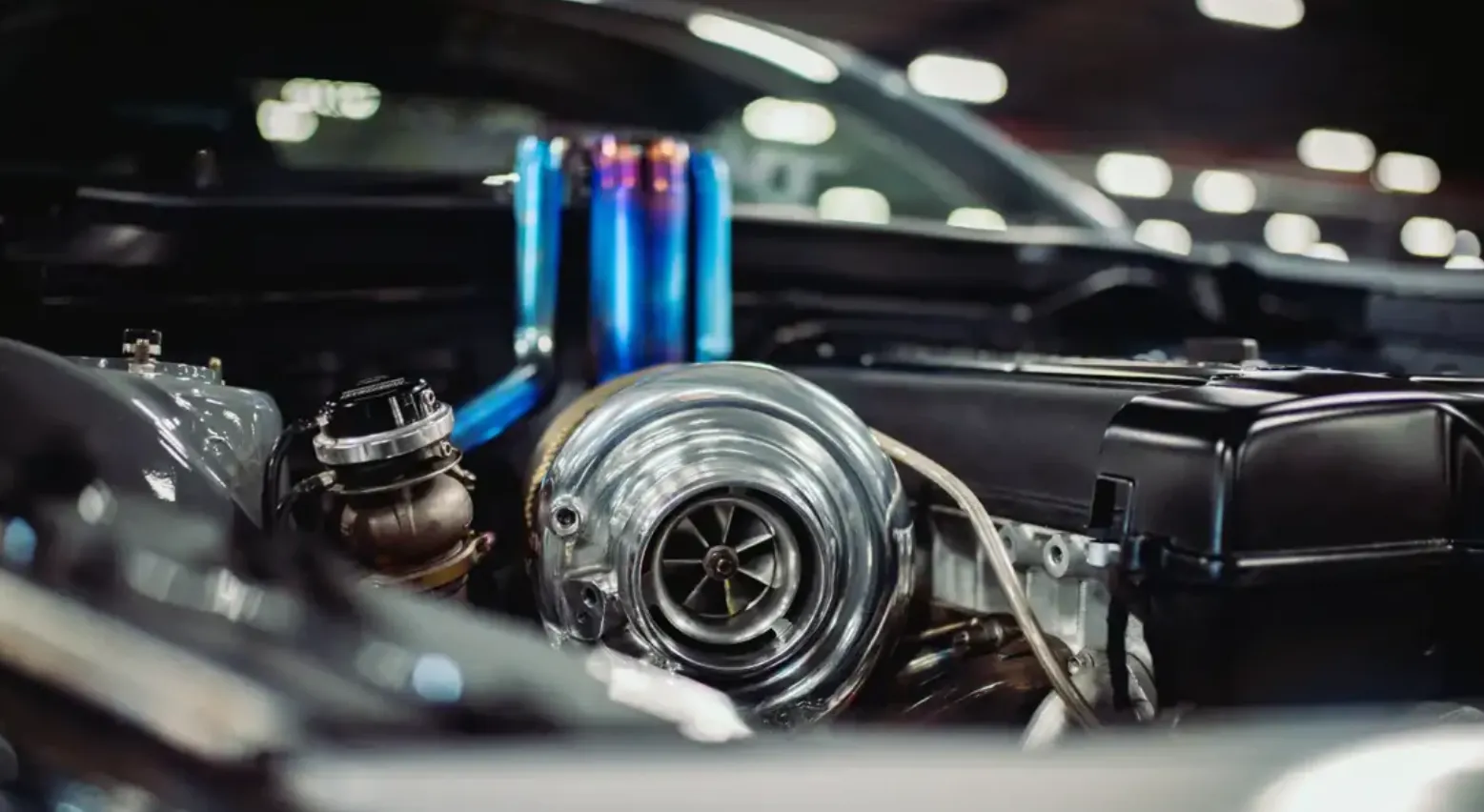
A turbocharger, often simply called a “turbo,” uses exhaust gases to generate power. Instead of letting exhaust gases go to waste, a turbocharger recycles that energy to boost engine performance.
Key Components of a Turbocharger:
- Turbine: Driven by exhaust gases
- Compressor: Compresses incoming air
- Shaft: Connects turbine and compressor
- Intercooler (optional but common): Cools compressed air
Step-by-Step Process:
- Exhaust gases exit the engine and spin the turbine.
- The turbine is connected via a shaft to the compressor.
- As the turbine spins, the compressor also spins.
- The compressor draws in fresh air and compresses it.
- The compressed air is sent into the engine’s intake manifold.
- More oxygen enters the combustion chamber, increasing power output.
Turbo Lag Explained
One common drawback of turbochargers is turbo lag. This is the delay between pressing the accelerator and the turbo producing boost. It happens because the turbine needs time to spin up as exhaust gases build.
How Superchargers Work
Unlike turbochargers, superchargers are mechanically driven by the engine itself—usually via a belt connected to the crankshaft.
Types of Superchargers:
- Roots-type
- Twin-screw
- Centrifugal
Step-by-Step Process:
- The engine rotates the crankshaft.
- A belt connects the crankshaft to the supercharger.
- The supercharger compresses incoming air immediately.
- Compressed air enters the engine.
- Increased oxygen allows more fuel combustion and higher power output.
Instant Power Advantage
Because superchargers are directly powered by the engine, they provide instant boost with no lag. This makes them ideal for applications where immediate throttle response is critical.
Turbochargers vs Superchargers: Key Differences
| Feature | Turbocharger | Supercharger |
| Power Source | Exhaust gases | Engine crankshaft |
| Efficiency | More fuel-efficient | Less efficient |
| Lag | Yes (turbo lag) | No lag |
| Installation | More complex | Simpler |
| Power Delivery | Gradual | Instant |
| Fuel Economy | Better | Lower |
Advantages of Turbochargers
1. Improved Fuel Efficiency
Turbochargers reuse exhaust energy, making them more efficient than superchargers.
2. Higher Power Output
They can produce significant power increases, especially at higher RPMs.
3. Smaller Engine, Same Power
Turbocharging allows manufacturers to use smaller engines without sacrificing performance.
Disadvantages of Turbochargers
- Turbo lag can affect driving experience
- More complex system
- Requires proper cooling and lubrication
Advantages of Superchargers
1. Immediate Power Delivery
No lag means instant acceleration.
2. Simpler Design
Fewer components compared to turbo systems.
3. Predictable Performance
Power delivery is linear and consistent.
Disadvantages of Superchargers
- Reduced fuel efficiency
- Uses engine power to operate
- Generally less efficient than turbochargers
Which One Is Better?
The answer depends on your priorities:
- For fuel efficiency and high-end performance → Turbocharger
- For instant throttle response and simplicity → Supercharger
In modern vehicles, turbochargers are more common due to stricter fuel economy and emission standards. However, superchargers are still popular in performance cars and muscle vehicles where immediate power is essential.
Twincharging: The Best of Both Worlds?
Some advanced engines use both a turbocharger and a supercharger—a system known as twincharging. This setup combines the instant response of a supercharger with the efficiency of a turbocharger, though it adds complexity and cost.
Real-World Applications
- Turbochargers: Common in modern cars, trucks, and even motorcycles
- Superchargers: Found in high-performance vehicles like muscle cars
- Diesel Engines: Almost always turbocharged for efficiency and torque
Maintenance Tips
Whether you have a turbocharger or supercharger, proper maintenance is key:
- Use high-quality engine oil
- Allow the engine to cool after hard driving (especially for turbos)
- Regularly inspect belts (for superchargers)
- Keep air filters clean
Final Thoughts
Turbochargers and superchargers are both powerful tools for increasing engine performance through forced induction. While they achieve the same goal—delivering more air and power—they do so in fundamentally different ways.
Turbochargers excel in efficiency and high-speed performance, while superchargers shine in instant response and simplicity. Understanding how each system works can help you make better decisions whether you’re buying a car, upgrading an engine, or simply expanding your automotive knowledge.
If performance, efficiency, and innovation interest you, forced induction systems are a fascinating glimpse into how modern engineering pushes engines beyond their natural limits.
Also Read: Supply Chain Issues in the Auto Industry: Causes, Impacts, and Future Solutions

Hi, I am Admin of Punwaves.com, your ultimate destination for clever puns and laugh-out-loud jokes you Dive in for daily wordplay waves that keep your humor fresh and fun.