The Strange Way Rules Create Room
Discipline has a branding problem. Most people hear the word and think of restriction, pressure, punishment, or some joyless routine built around saying no to everything fun. It sounds like a cage. It sounds like waking up early, skipping dessert, tracking every dollar, and forcing yourself to do things you would rather avoid.
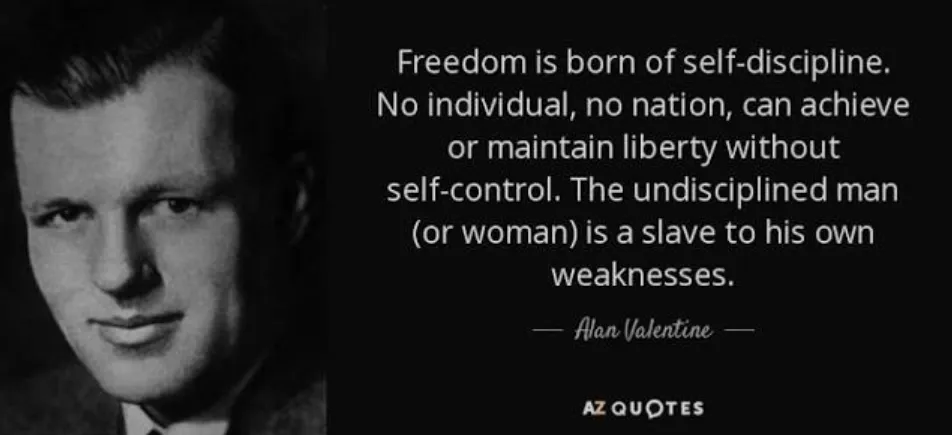
But discipline is not really about making life smaller. It is about making your future bigger. The small constraints you accept today can create more choices tomorrow. When you decide how your time, money, attention, and energy will be used, you stop letting every impulse or emergency make those choices for you.
This is especially clear with money. A person who builds disciplined financial habits is not trying to make life boring. They are trying to create breathing room, reduce stress, and protect future options. For someone already under heavy financial pressure, tools like debt relief can become part of a broader effort to regain control and rebuild choice.
Freedom Without Structure Can Turn Into Chaos
Freedom sounds wonderful when we define it as “doing whatever I want.” The trouble is that what we want can change ten times in one day. Morning you wants to save money. Afternoon you wants takeout. Evening you wants to scroll for two hours. Future you wants peace, health, confidence, and options.
Without structure, the loudest desire usually wins. That does not create freedom. It creates a life run by mood, convenience, and reaction.
Discipline gives your deeper priorities a voice before the moment gets noisy. A budget speaks for the future before a sale tempts you. A workout schedule speaks for your health before the couch looks too comfortable. A bedtime speaks for tomorrow morning before one more episode starts playing.
The rule is not the enemy. The rule is the guardrail.
Optionality Is Built Before You Need It
The real gift of discipline is optionality. Optionality means having choices when life changes. It means you are not trapped by every surprise, delay, bill, or setback.
A person with savings has more options than a person living right at the edge. A person with steady habits has more options than someone constantly starting over. A person who protects their attention has more options than someone pulled in every direction by alerts, drama, and distraction.
This does not mean disciplined people never struggle. They do. But discipline can reduce how often ordinary problems become full emergencies.
The Federal Trade Commission’s guidance on making a budget explains how tracking income and expenses can help people understand where their money goes and plan for what matters. That is discipline in practical form. It is not glamorous, but it creates power.
Discipline Protects You From Your Own Impulses
Most of us like to imagine we are rational decision makers. Sometimes we are. But we are also hungry, tired, bored, lonely, stressed, proud, and easily distracted. Those states can make poor choices look reasonable.
Discipline works because it does not depend on perfect motivation. It creates systems for the moments when motivation disappears.
You prepare food before you are starving. You set spending limits before you are tempted. You put your phone away before you lose an hour. You write down your priorities before other people fill your calendar.
This is not about distrusting yourself. It is about understanding yourself honestly. You are not a machine. You are a person with moods, cravings, stress responses, and blind spots. Discipline gives you support where willpower is unreliable.
The Best Constraints Are Chosen, Not Forced
There is a big difference between chosen discipline and forced restriction. Forced restriction often feels like deprivation because it comes from outside pressure. Chosen discipline feels different because it is connected to a purpose.
When you choose a spending plan because you want peace, the plan has meaning. When you choose a fitness routine because you want energy, the routine has meaning. When you limit distractions because you want to create better work, the limit has meaning.
A good constraint should serve your life, not shrink your identity. It should help you become more aligned, not more anxious. If a discipline only creates shame, perfectionism, or constant self criticism, it may need to be redesigned.
Discipline is not supposed to make you feel trapped inside your own rules. It is supposed to help you live less trapped by everything else.
Small Promises Build Self Trust
One overlooked benefit of discipline is self trust. Every time you keep a small promise to yourself, you send a message: “I can count on me.”
That matters. When you repeatedly break promises to yourself, even tiny ones, your confidence takes a quiet hit. You may still talk big about your goals, but part of you stops believing the speech.
The way back is not usually a massive life overhaul. It is often a small promise kept consistently. Ten minutes of walking. A weekly review of expenses. Reading a few pages before bed. Paying one bill on time. Putting money aside, even if the amount is modest.
These actions may look small from the outside, but internally they rebuild credibility. You become someone who follows through.
Discipline Makes Adversity Less Powerful
External adversity is real. People lose jobs, face medical bills, deal with family issues, experience burnout, and run into problems they did not create. Discipline does not magically prevent hardship.
What it can do is make hardship less able to control the whole story.
When you have habits, routines, savings, support systems, and clear priorities, adversity still hurts, but it has fewer entry points. You have something to stand on. You have a process to return to. You have fewer decisions to invent in the middle of stress.
The American Psychological Association’s guide to building resilience notes that resilience involves behaviors, thoughts, and actions that can be learned and developed. Discipline is one of the ways those behaviors become repeatable instead of occasional.
Discipline Is Not About Being Harsh
Some people confuse discipline with self punishment. They think being disciplined means being hard on themselves all the time. That approach usually backfires.
Real discipline has firmness, but it also has wisdom. It allows recovery. It makes room for real life. It adjusts when conditions change. It does not demand perfection as proof of commitment.
A disciplined person can rest without quitting. They can enjoy something without spiraling. They can miss a day and return the next day without turning one slip into a full collapse.
That kind of discipline is mature. It is not dramatic. It is steady.
Freedom Arrives Quietly
The freedom created by discipline does not always feel exciting at first. It may look like paying bills without panic. Having time because you protected your schedule. Sleeping better because you stopped negotiating with your bedtime. Saying no without guilt because your priorities are clear.
Eventually, those small freedoms add up. You are no longer dragged around by every impulse. You are not constantly repairing damage from choices made in a rush. You are not waiting for life to calm down before you start living with intention.
Discipline is freedom in disguise because it gives your future self more room to move. It turns today’s structure into tomorrow’s choices. It protects you from chaos, impulse, and pressure. Most of all, it reminds you that limits are not always walls. Sometimes they are doors, and discipline is how you keep them open.

Hi, I am Admin of Punwaves.com, your ultimate destination for clever puns and laugh-out-loud jokes you Dive in for daily wordplay waves that keep your humor fresh and fun.