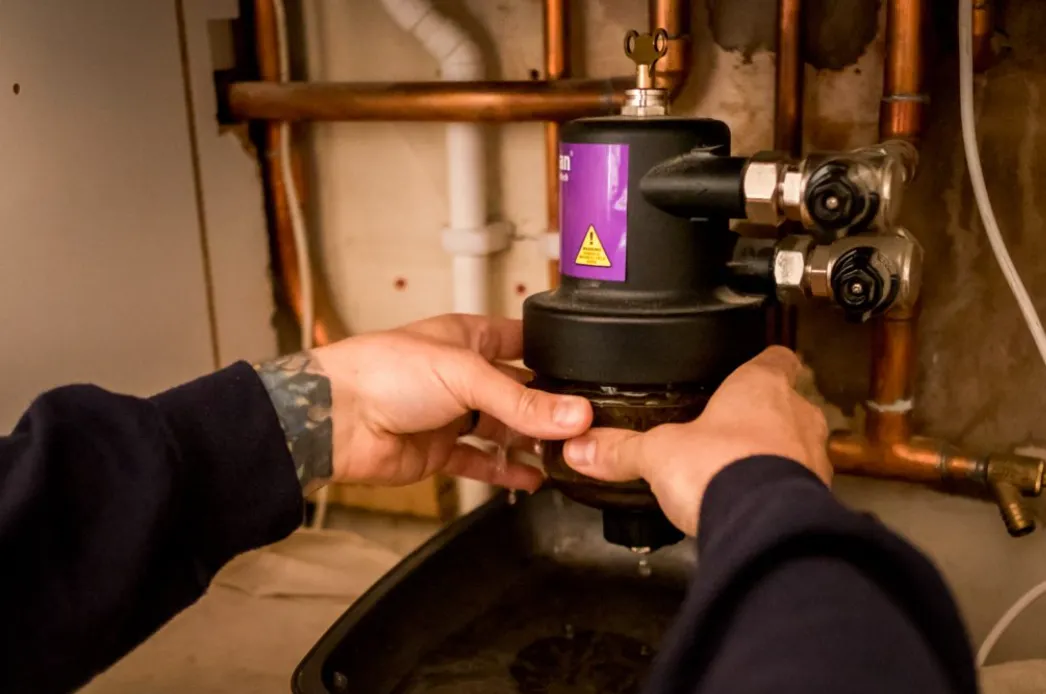
Every year, the same thing happens across thousands of homes in the UK. The first properly cold morning arrives, someone reaches for the thermostat, and the boiler that seemed perfectly fine in September suddenly refuses to cooperate. Emergency call-outs spike, waiting times stretch, and families spend days in cold homes waiting for an engineer who is already stretched across a dozen other urgent jobs. The good news is that this is almost entirely avoidable. If you want to skip that stressful scenario altogether, the single most important thing you can do right now is get your boiler checked before winter while engineers are available, prices are standard, and you have the time to deal with any issues calmly and without pressure.
This guide walks you through exactly why a pre-winter boiler check matters, what it covers, and how to prepare your entire heating system for the cold months ahead.
Why Autumn Is the Best Time to Act
Timing matters more than most people realise when it comes to boiler servicing. The window between late August and October is genuinely the sweet spot. Engineers have more availability, you are not yet relying on the heating every day, and if a fault or repair is discovered, there is enough time to source parts and complete the work without leaving your home cold in the middle of a cold snap.
By November, the situation changes quickly. Demand for heating engineers surges almost overnight when temperatures drop. Booking slots fill up fast, waiting times extend, and some repairs that could have been handled calmly in September become urgent situations in December. Getting ahead of that rush is not just convenient. It is genuinely the smarter financial and practical choice.
What a Pre-Winter Boiler Service Actually Covers
A thorough boiler service is not a quick glance and a reset. When carried out correctly by a Gas Safe registered engineer, it is a detailed inspection that checks everything your boiler depends on to function safely and efficiently through a hard winter.
The engineer will inspect and clean the burner, check the heat exchanger for any signs of cracking or limescale buildup, test the ignition system, verify the flue is clear and properly sealed, check system pressure and test the expansion vessel, and assess all safety controls and cutoff devices. They will also check that the boiler’s combustion is clean, which matters both for efficiency and for carbon monoxide safety.
For homeowners with a Bosch boiler specifically, Bosch boiler servicing carried out before winter is particularly worthwhile. Bosch systems are built to a high standard, but like all boilers they accumulate wear and deposits over time that reduce efficiency if left unaddressed. A pre-winter service cleans and resets that baseline so the boiler goes into its busiest period running at its best.
For fast and reliable help with all of this, 0800 Homefix connects homeowners with qualified Gas Safe registered engineers who carry out thorough pre-winter checks with honest assessments and no unnecessary upselling.
Checking Your Radiators Before the Cold Arrives
The boiler itself is only one part of the picture. The radiators, pipework, and controls that make up the rest of your heating system all deserve attention before winter too, and many of the checks involved are things you can do yourself.
Work through each radiator in your home and feel whether it is heating evenly from top to bottom. If a radiator is warm at the bottom but cold at the top, trapped air is the likely cause and bleeding the radiator will usually fix it within a few minutes using a simple radiator key. If a radiator is cold all over despite the heating being on, the issue may be a stuck or faulty thermostatic radiator valve that needs attention from an engineer.
If multiple radiators are cold at the bottom while warm at the top, that pattern typically suggests sludge buildup in the system, a more involved problem that may require a powerflush to resolve properly. Catching these issues before winter means they can be dealt with without urgency.
Checking Boiler Pressure and the Condensate Pipe
Two practical checks every homeowner can carry out themselves are the boiler pressure and the condensate pipe condition.
Your boiler pressure should read between 1 and 1.5 bar when the system is cold. If it is lower, the system needs repressurising via the filling loop, a process most boiler manuals explain clearly. If pressure keeps dropping repeatedly after you top it up, that points to a leak somewhere in the system that needs professional investigation.
The condensate pipe is a plastic pipe that carries wastewater from the boiler to an external drain. In freezing temperatures, this pipe can freeze solid, causing the boiler to lock out and refuse to fire. If your condensate pipe runs outside or through an unheated space, lagging it with foam pipe insulation before winter is a straightforward and inexpensive way to prevent one of the most common winter boiler problems entirely.
Smart Controls and Thermostat Checks
If your heating controls have not been touched since last winter, now is a good time to make sure everything is working correctly. Test your thermostat by turning up the temperature and listening for the boiler to fire. Check that your timer or programmer is set to the right schedule for the coming season. If you have a smart thermostat, make sure the app and any software updates are current.
Weather compensation controls, available on many modern boilers, automatically adjust the flow temperature based on outdoor conditions. If your system supports this and it is not yet enabled, asking an engineer to set it up during a service visit can meaningfully improve efficiency across the winter months.
When to Call in the Professionals
Some of the checks in this guide are well within reach for any homeowner. Others are not, and knowing the difference is important. Anything involving the internal components of the boiler, the gas supply, the flue, or the ignition system must be handled by a Gas Safe registered engineer. There are no exceptions to this rule, regardless of how confident or technically minded you feel.
If your boiler is making unusual noises, producing a yellow or orange flame rather than a clean blue one, showing fault codes, or if you smell gas at any point, do not attempt to investigate or reset it yourself. Leave the property, ventilate if safe to do so, and call the Gas Emergency line immediately.
For everything short of an emergency, experienced Bosch heating engineers and specialists across all major boiler brands are available through 0800 Homefix Bosch boiler repair service to carry out pre-winter checks, diagnose faults, and make sure your system is fully ready for winter before the cold weather arrives.
Make This Winter the One Where Your Heating Just Works
There is a quiet kind of confidence that comes from knowing your boiler has been checked, your radiators are balanced, your condensate pipe is protected, and your controls are set correctly. It is the feeling of being genuinely prepared rather than just hoping for the best when temperatures drop.
The team at 0800 Homefix is here to help you get there. With Gas Safe registered engineers, honest and transparent service, and a commitment to getting your heating winter-ready without fuss or unnecessary expense, they are the partner you want on your side before the cold sets in. Do not leave it until you are shivering in November to make the call. Book your pre-winter check now and go into the cold months with complete confidence that your home is ready for whatever the weather brings.
Frequently Asked Questions
Q1: When is the best time to get my boiler serviced before winter?
Late August through October is ideal. Engineers are more available, and there is time to address any faults discovered before the cold weather arrives and demand surges.
Q2: Can I service my boiler myself to save money?
No. Gas appliances must be serviced by a Gas Safe registered engineer by law. Attempting to service your own boiler is both illegal and genuinely dangerous.
Q3: How do I know if my boiler pressure is correct?
Check the pressure gauge on the front of your boiler. It should read between 1 and 1.5 bar when cold. If it is below 1, repressurise using the filling loop as described in your boiler manual.
Q4: What should I do if my boiler stops working in winter?
Check the pressure first and try a reset after consulting your manual. If the fault code persists or you smell gas, call a Gas Safe engineer promptly rather than attempting further investigation yourself.
Q5: Why does my condensate pipe freeze in winter and how do I prevent it?
The condensate pipe carries wastewater outside and can freeze in very cold temperatures, causing a boiler lockout. Insulating any exposed sections with foam pipe lagging before winter prevents this effectively.
Q6: Is a pre-winter boiler check different from a full annual service?
A pre-winter check can be a full annual service or a more targeted inspection depending on when your last service was. Either way, it ensures your boiler is safe and ready before the heating season begins in earnest.

Hi, I am Admin of Punwaves.com, your ultimate destination for clever puns and laugh-out-loud jokes you Dive in for daily wordplay waves that keep your humor fresh and fun.