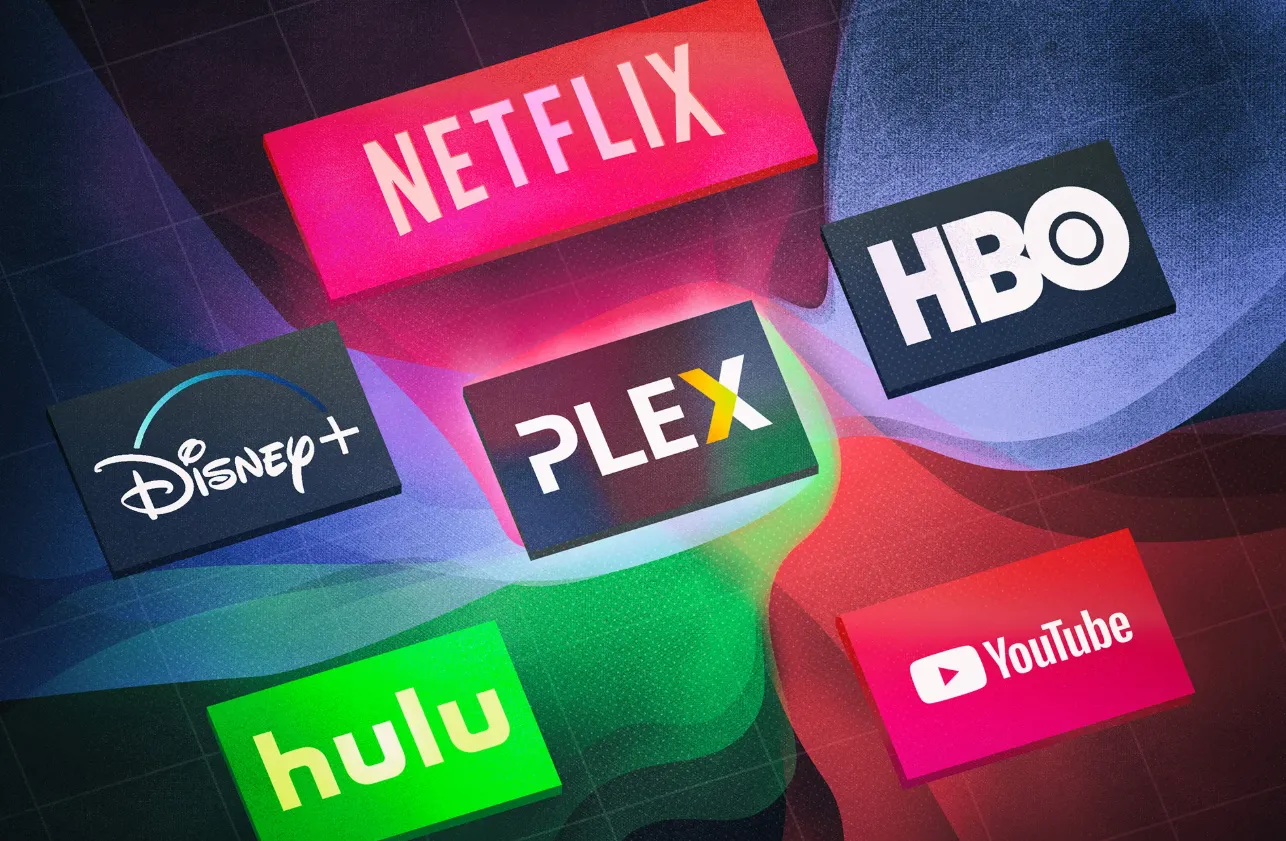
The rise of streaming platforms such as Netflix, Disney+, Amazon Prime Video, and Hulu has dramatically transformed the global entertainment landscape. Over the past decade, these digital services have revolutionized how audiences consume content, reshaped traditional media industries, and influenced cultural trends worldwide. As internet accessibility continues to expand, streaming platforms are no longer just an alternative to cable television—they are now the dominant force in entertainment.
The Shift from Traditional TV to Streaming
One of the most significant impacts of streaming platforms is the decline of traditional cable and broadcast television. In the past, viewers had limited control over what they watched and when they watched it. Scheduled programming dictated viewing habits, and missing a show often meant waiting for reruns.
Streaming platforms disrupted this model by introducing on-demand viewing. Users can now watch their favorite movies and TV shows anytime, anywhere, on multiple devices. This convenience has led to a phenomenon known as cord-cutting, where consumers cancel cable subscriptions in favor of streaming services. As a result, traditional broadcasters have been forced to adapt, often launching their own streaming platforms to remain competitive.
Content Revolution and Original Programming
Streaming services have also revolutionized content creation. Platforms like Netflix and Disney+ invest billions of dollars annually in original programming, producing high-quality series, films, and documentaries. Shows like Stranger Things, The Crown, and The Mandalorian have gained global popularity, proving that streaming-exclusive content can rival—and even surpass—traditional Hollywood productions.
This shift has created more opportunities for filmmakers, writers, and actors. Unlike traditional studios, streaming platforms often take risks on diverse and unconventional stories, giving a voice to underrepresented communities and niche genres. As a result, audiences now have access to a broader range of content than ever before.
Globalization of Entertainment
Streaming platforms have played a crucial role in the globalization of entertainment. Content is no longer confined by geographic boundaries. A Korean drama like Squid Game or a Spanish series like Money Heist can achieve worldwide success within days of release.
This global reach has fostered cultural exchange and increased appreciation for international storytelling. Subtitles and dubbing options have made it easier for audiences to explore content in different languages, breaking down barriers that once limited global distribution.
Binge-Watching Culture
Another major impact of streaming platforms is the rise of binge-watching. Unlike traditional TV, where episodes are released weekly, many streaming services release entire seasons at once. This encourages viewers to watch multiple episodes in a single sitting.
While binge-watching enhances viewer engagement and satisfaction, it also raises concerns about screen time and health. Studies suggest that excessive binge-watching can affect sleep patterns and productivity. Despite these concerns, the trend continues to grow, becoming a defining characteristic of modern media consumption.
Economic Impact on the Entertainment Industry
Streaming platforms have significantly altered the economics of the entertainment industry. Traditional revenue models based on advertising and box office sales are being replaced by subscription-based models. This shift has both positive and negative implications.
On one hand, streaming services provide a steady revenue stream and reduce reliance on unpredictable box office performance. On the other hand, they have disrupted theatrical releases. Many films now premiere directly on streaming platforms, especially after the COVID-19 pandemic accelerated digital adoption.
Additionally, competition among platforms has intensified, leading to the so-called “streaming wars.” Companies invest heavily in exclusive content to attract and retain subscribers, resulting in increased production budgets and innovation.
Impact on Consumers
For consumers, streaming platforms offer unparalleled convenience and variety. Users can personalize their viewing experience through algorithms that recommend content based on their preferences. This level of customization enhances user satisfaction and keeps audiences engaged.
However, the growing number of streaming services has also led to subscription fatigue. With multiple platforms offering exclusive content, consumers may find themselves paying for several subscriptions simultaneously, which can become costly.
Technological Advancements
Streaming platforms have driven significant technological advancements. Features like high-definition (HD), 4K streaming, and adaptive streaming technology ensure smooth playback even with varying internet speeds. Artificial intelligence and machine learning are used to improve content recommendations and user experience.
Moreover, the integration of streaming services with smart TVs, smartphones, and other devices has made entertainment more accessible than ever. This seamless connectivity has further accelerated the shift toward digital consumption.
Challenges and Criticism
Despite their success, streaming platforms face several challenges. Issues such as content saturation, rising subscription costs, and intense competition pose ongoing risks. Additionally, concerns about data privacy and algorithm-driven content consumption have sparked debates.
Another criticism is the potential decline in shared cultural experiences. Unlike traditional TV events that brought large audiences together at the same time, streaming often leads to fragmented viewing habits. This can reduce the sense of community around popular shows.
The Future of Streaming Platforms
The future of streaming platforms looks promising but complex. As technology evolves, we can expect more immersive experiences, such as virtual reality (VR) and interactive storytelling. Platforms may also explore hybrid models that combine subscriptions with advertising to make services more affordable.
Furthermore, consolidation in the industry is likely, as smaller platforms struggle to compete with major players like Netflix, Disney+, and Amazon. Partnerships and mergers could reshape the competitive landscape.
Conclusion
Streaming platforms have fundamentally changed the way we consume entertainment. From transforming viewing habits and content creation to reshaping the global media industry, their impact is undeniable. While challenges remain, the convenience, diversity, and innovation offered by platforms like Netflix and Disney+ ensure that streaming will continue to dominate the entertainment world.
As audiences increasingly demand flexibility and personalization, streaming services will play an even greater role in shaping the future of media. Whether through groundbreaking original content or technological innovation, the influence of streaming platforms is set to grow for years to come.
Also Read: Reality Shows: Scripted or Real? The Truth Behind the Drama

Hi, I am Admin of Punwaves.com, your ultimate destination for clever puns and laugh-out-loud jokes you Dive in for daily wordplay waves that keep your humor fresh and fun.