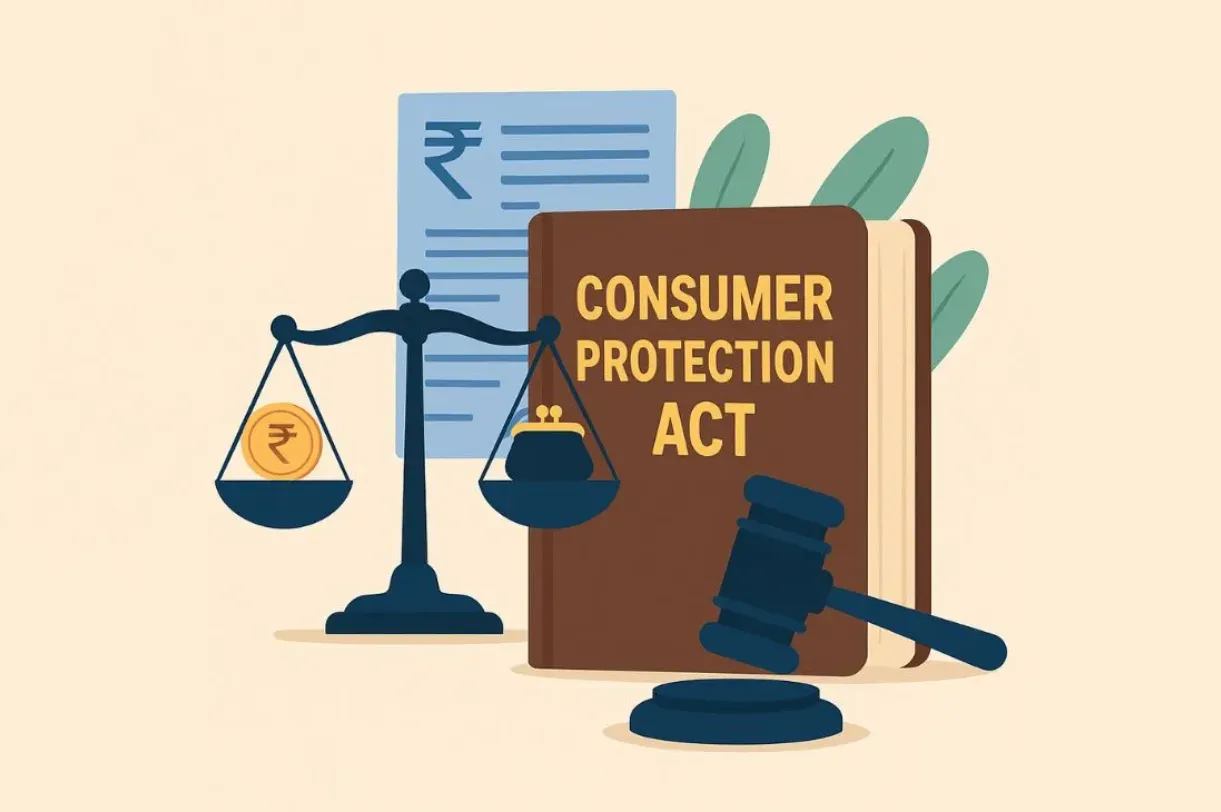
In today’s fast-paced and highly competitive marketplace, consumers are constantly exposed to a wide variety of products and services. While this abundance of choice is beneficial, it also increases the risk of fraud, deception, and unfair practices. This is where consumer protection laws come into play. These laws are designed to protect buyers from unethical business practices, ensure fair trade, and promote transparency between businesses and consumers.
What Are Consumer Protection Laws?
Consumer protection laws are regulations enacted by governments to safeguard the rights of consumers. They aim to prevent businesses from engaging in fraudulent, misleading, or unfair practices. These laws apply to various sectors, including retail, banking, healthcare, telecommunications, and e-commerce.
At their core, consumer protection laws ensure that consumers receive accurate information about products and services, are protected from harmful goods, and have access to legal remedies when things go wrong.
Importance of Consumer Protection Laws
Consumer protection laws play a crucial role in maintaining trust in the marketplace. Without these regulations, consumers would be vulnerable to scams, unsafe products, and dishonest advertising.
Here’s why these laws are essential:
- Promote Fair Trade: They create a level playing field for businesses and discourage unfair competition.
- Ensure Product Safety: Manufacturers are required to meet safety standards before selling products.
- Build Consumer Confidence: When consumers feel protected, they are more likely to engage in economic activities.
- Provide Legal Remedies: Consumers have the right to seek compensation or justice when wronged.
Key Features of Consumer Protection Laws
Consumer protection laws vary by country, but most share common features:
1. Right to Information
Consumers have the right to receive accurate and complete information about products and services. This includes details about pricing, ingredients, risks, and terms of use.
2. Right to Safety
Products must meet safety standards to prevent harm or injury. Governments often regulate industries such as food, pharmaceuticals, and electronics to ensure compliance.
3. Right to Choose
Consumers should have access to a variety of options at competitive prices, preventing monopolies or unfair restrictions.
4. Right to Be Heard
Consumers can voice complaints and expect their concerns to be addressed by businesses or regulatory bodies.
5. Right to Redress
If a consumer suffers loss or damage, they have the right to compensation, refunds, or replacements.
6. Right to Consumer Education
Governments and organizations promote awareness so consumers can make informed decisions.
Types of Consumer Protection Laws
Consumer protection laws cover a wide range of areas. Some of the most important types include:
1. Product Liability Laws
These laws hold manufacturers and sellers responsible for defective or dangerous products. If a product causes harm, consumers can take legal action.
2. Truth in Advertising Laws
Businesses must provide honest and non-deceptive information in advertisements. False claims can lead to penalties and lawsuits.
3. Data Protection and Privacy Laws
With the rise of digital platforms, protecting consumer data has become crucial. These laws regulate how companies collect, store, and use personal information.
4. Financial Protection Laws
These laws protect consumers in banking, lending, and insurance sectors, ensuring transparency in interest rates, fees, and contracts.
5. E-commerce Regulations
Online shopping has introduced new risks such as fake websites and hidden charges. E-commerce laws ensure secure transactions and fair return policies.
Consumer Protection Laws in Practice
Different countries have established specific laws and authorities to enforce consumer protection. For example:
- In many countries, consumer protection agencies investigate complaints and impose penalties on violators.
- Courts and tribunals provide a platform for consumers to resolve disputes.
- Regulatory bodies monitor industries to ensure compliance with safety and ethical standards.
In Bangladesh, for instance, the Consumer Rights Protection Act, 2009 is a key law that protects consumers against unfair trade practices, adulterated goods, and misleading advertisements. The Directorate of National Consumer Rights Protection (DNCRP) is responsible for enforcing these laws.
Common Consumer Issues Addressed by Laws
Consumer protection laws help resolve a variety of common issues, including:
- Sale of defective or counterfeit products
- Misleading advertisements
- Hidden fees and charges
- Poor quality services
- Breach of warranty or contract
- Unauthorized use of personal data
By addressing these problems, the laws ensure a safer and more reliable marketplace.
How Consumers Can Protect Themselves
While laws provide a safety net, consumers should also take proactive steps to protect themselves:
- Read Product Labels Carefully: Always check ingredients, instructions, and warnings.
- Verify Seller Credibility: Especially for online purchases, research reviews and ratings.
- Keep Receipts and Documentation: These are essential for filing complaints or claims.
- Understand Terms and Conditions: Avoid agreeing to unclear or unfair contracts.
- Report Violations: Inform relevant authorities if you encounter fraud or malpractice.
Challenges in Consumer Protection
Despite strong legal frameworks, several challenges remain:
1. Lack of Awareness
Many consumers are unaware of their rights, making them easy targets for exploitation.
2. Weak Enforcement
In some regions, enforcement of laws is inconsistent due to limited resources or corruption.
3. Rapid Technological Changes
The growth of digital platforms and online transactions has introduced new risks that laws struggle to keep up with.
4. Cross-Border Issues
International transactions make it difficult to resolve disputes due to differences in legal systems.
The Future of Consumer Protection Laws
As technology evolves, consumer protection laws are also adapting. Governments are increasingly focusing on:
- Stronger data privacy regulations
- AI and algorithm transparency
- Enhanced cybersecurity measures
- Global cooperation for cross-border trade
These developments aim to address modern challenges and ensure that consumers remain protected in a digital economy.
Conclusion
Consumer protection laws are a vital component of a fair and functioning economy. They not only safeguard consumers from harm and exploitation but also promote trust and accountability in the marketplace. As businesses continue to evolve and new technologies emerge, these laws must also adapt to meet changing needs.
For consumers, understanding their rights is the first step toward protection. By staying informed and vigilant, individuals can make better decisions and contribute to a more transparent and ethical market environment.
Also Read: Space-Saving Kitchen Hacks: Smart Ideas to Maximize Every Inch

Hi, I am Admin of Punwaves.com, your ultimate destination for clever puns and laugh-out-loud jokes you Dive in for daily wordplay waves that keep your humor fresh and fun.